The term “alcohol alternatives” assumes the job of these products is to reduce how much alcohol someone drinks. Swap the cocktail, moderate the intake. Indeed, most of the category has organized itself around the premise that these beverages are direct substitutes.
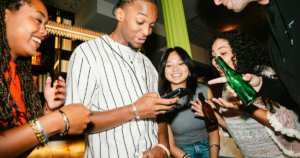
There’s an occasion that premise misses: extending the night. Consumers already do this. They pace themselves during an evening out, alternating alcoholic and non-alcoholic options. The category has pushed the term “zebra-striping” for this behavior, but it hasn’t quite named an occasion.
Moderade, a new nightlife-based German brand, is based on the concept of “sustaining.” While non-alc beverage brands built for nightlife aren’t new in Germany—look no further than cult-favorite Club Mate—to co-founder Christian von Heemskerck, there’s “a missing social role in drinks.” While he says most evening beverages run in two directions—think alcohol to ramp up and seltzer to wind down—he identifies “a large moment in between: wanting to stay present and social without escalating further.”
The term is useful enough that it’s worth adopting category-wide, because it isolates something the moderation lens overlooks: products whose function is not reduction but endurance (with or without caffeine). Sustaining beverages don’t replace the booze. They extend the night.
Why the occasion was overlooked
The substitution model dominated the emergence of the alcohol alternatives category, framing it around moderation.
As Dry January and “sober curiosity” gained steam in the late 2010s, non-alc spirits, wines, beers, and cocktails were positioned to replace their alcoholic counterparts. Those products answered the same question: how do I drink less alcohol while keeping the ritual? The brand that came to dominate the American non-alc spirits segment was even named Ritual.
Today, there’s room for different frames. “Sober curiosity” has largely fallen to the wayside—as 92% of non-alc buyers also buy alcohol (per NIQ), the idea of being on the precipice of a binary lifestyle decision doesn’t resonate with the majority of consumers. ABV optionality, which we’ve tracked since 2023, continues to blur the lines, and major hospitality venues are being built around that premise. It makes sense, then, that brands have distanced themselves from the moderation narrative. This year, several founders even noted Dry January is becoming passé or should be cancelled.
The drinker who’s three hours in and wants to keep the night going isn’t necessarily looking to moderate. They want to stay in the moment. Products positioned for moderation don’t serve them, and it’s time for something new.
The opportunity
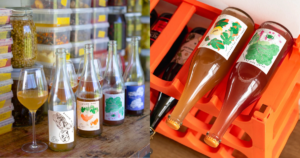
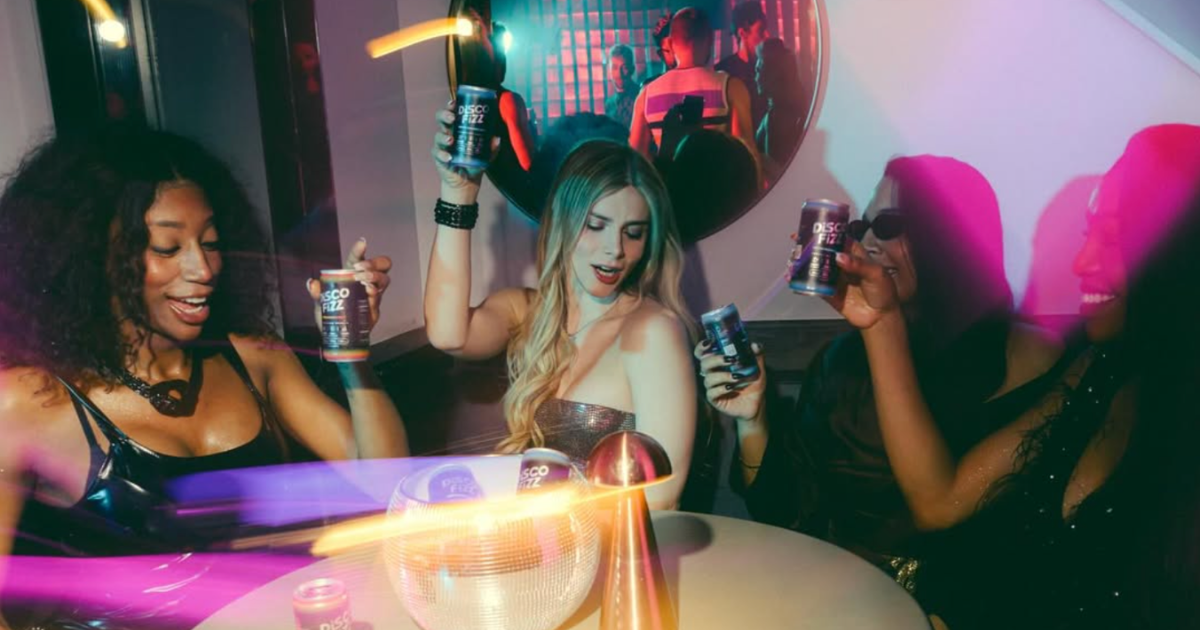
The clearest signal that sustaining is underbuilt is what people reach for when nothing fits: energy drinks and soda. Disco Fizz founder Ben Zumsteg, building for queer nightlife, identified this gap. He noted that guests in high-energy settings settle for traditional soft drinks because existing premium non-alc options aren’t right for those rooms. So he developed a premium, caffeinated beverage that fits the moment.
This is where most of the category’s instincts work against the occasion. The reflex in non-alc is to add a benefit, a better-for-you claim. Those additions make sense within the moderation context; they sell a reason to feel good about drinking less. Sustaining is not a moderation occasion. In a social context, a product has to earn its place by being the right thing to hold at midnight, not by promising a better tomorrow.
Moderade is building for this directly, albeit with a name that initially connotes wellness. “It’s deliberately not the usual alcohol alternative: no wellness, no recovery, no functional stack, no ‘better for you,'” says co-founder Christian von Heemskerck. “It’s rooted in nightlife, electronic music culture, and the shift toward more conscious intensity management.” von Heemskerck names the occasion and refuses the wellness adjacency that would dilute it.
A different approach
While Disco Fizz and Moderade focus on fun, there is a wellness-adjacent version of sustaining beverages that still fits the occasion, whether or not they’re actively positioning for it. Hydration-oriented options, which typically eschew caffeine, also promise to extend the night. We’ve previously argued that their occasion is missing; sustaining is one they can occupy.
ROLUS, launched by Carl Nolet III of the Nolet spirits family, has touched on this idea. “ROLUS fits into those moments when you want to keep the fun going, but also stay hydrated,” he told Dry Atlas. Up&Gas, a Brazilian brand, is framed more broadly by founder Miguel Toni as “a versatile lifestyle drink.” But pacing the night is a key use case he identifies.
These four products diverge, but the occasion is the same, even though the positioning around it varies. That spread is what an emerging occasion looks like before it solidifies.
What this opens for brands
Will sustaining become a bonafide occasion, or will it simply be a positioning layer? If it’s an occasion, the winner is the brand that owns the language and the cultural context—the one consumers reach for by name when they want to stay in the night. If it’s a positioning layer, then a wider swath of existing non-alc brands can claim it by sharpening their framing. In that case, the advantage goes to whoever commits to it instead of defaulting to the moderation story the category tells by reflex.
When “alcohol alternatives” primarily meant “products that help you drink less,” the occasion that keeps the night going had no name and no place on a menu. As the category’s meaning continues to shift, the question for brands is whether their product is built to reduce something, or to sustain it.