The alcohol alternatives category has produced more launches in the past five years than the alcohol industry produced in the previous twenty. Many of those won’t be around in another five, and some are already gone.
This is normal for any category in its expansion phase, and it shouldn’t scare anyone off. New categories sort themselves through attrition and consolidation. To survive, look to the brands thriving today. They point to a choice founders made at the very beginning.
What’s different about this category
Consumer trust in taste isn’t established in alcohol alternatives the way it is in spirits, wine, or beer. An IPA from a new craft brewery enters a category where the consumer already believes in the format. They know a great IPA exists because they’ve had one. Their key buying question is whether this particular IPA is great. The category itself isn’t on trial.
Non-alc spirits, wine, and beer don’t have that foundation yet, and a meaningful percentage of consumers still believe the category itself is questionable. That means every brand entering the space is doing two jobs at once: selling its own product and selling the category. A bad product in a trusted category produces a disappointed customer. A bad product in an unproven category produces a customer who doubts the entire space. From there, the cost of a quality miss compounds. Successful alcohol alternatives brands have understood this and acted accordingly.
What Athletic did before launch
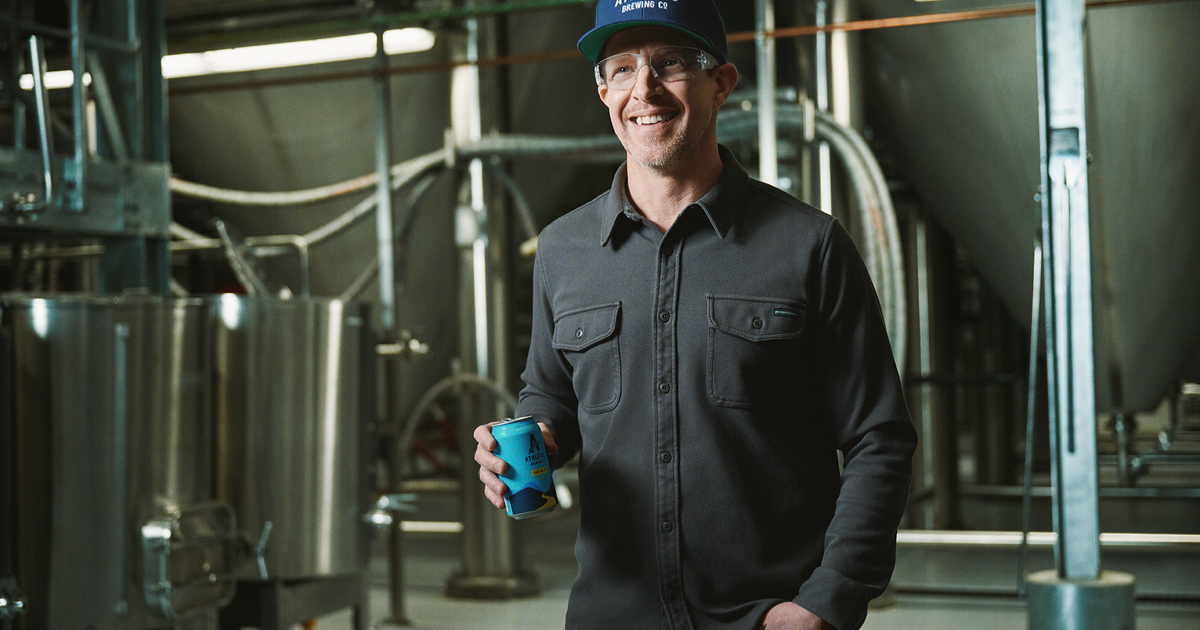
The clearest illustration of the discipline this category demands is Athletic Brewing’s pre-launch period. Co-founder and CEO Bill Shufelt spent two years researching the category before launch. He and co-founder John Walker then spent another 18 months on product development before bringing the first beer to market.
“We were never going to launch unless the beer was truly world-class and game-changing,” Shufelt told Dry Atlas. “That commitment has since been validated through our nearly 200 prestigious global taste awards.”
Three and a half years between the original concept and the first can on shelf is an unusually long pre-launch window for a CPG brand. In a category like soda, energy drinks, or even craft beer, it would be considered slow. In alcohol alternatives, it builds the foundation for everything that follows. Athletic launched into a category where consumers needed to be convinced of the format itself, and they led with a product solid enough to convince them on first trial.
The temptation—and risk—is to scale before the product is ready. “What we’ve observed within non-alcoholic beer over the last five years is that many brands have come and gone,” Shufelt said. “A common issue has been prioritizing marketing and rapid scale before delivering a truly great customer experience. We’ve seen heavy emphasis on celebrity partnerships, aggressive sales expansion, and go-to-market tactics before fully establishing product-market fit.”
Ritual ran the same playbook
Athletic’s pre-launch period isn’t an isolated case. Marcus Sakey, co-founder of Ritual Zero Proof—America’s leading non-alc spirits brand—went through 500 formulation iterations before bringing Ritual’s first product to market. Sakey told Dry Atlas he “worked with the best flavorists, distillers, chefs, and mixologists in the country.”
The goal Sakey set for the formulation explains the iteration count. Ritual’s non-alc spirits had to function as viable substitutes in traditional cocktail recipes. The tasting notes had to match the spirit they replaced, and the liquid had to deliver the same bite in a mixed drink. “When creating anything, it’s better if you know what you’re trying to achieve,” Sakey said. “Knowing what we wanted to achieve let us taste something and say, ‘well, that’s interesting, but it’s not gin.’”
The depth of that process is what got Diageo’s attention. Distill Ventures, Diageo’s brand accelerator, took a minority stake in Ritual in 2020—backing that doesn’t come without a product capable of holding up against a spirits incumbent’s portfolio. Ritual went on to become the top non-alc spirits brand in the US, and Diageo fully acquired it in 2024. The 500 iterations didn’t close the acquisition on their own, but they’re what made every subsequent step possible.
What discipline buys you
In a category where consumers are still being convinced the format works, product quality is the price of entry for everything else a brand wants to do later.
For Ritual, that was a high-profile acquisition.
For Athletic, it’s the ability to defend mid-stage share at scale. This month, they announced they’re increasing national media spend 120 percent year-over-year for their summer 2026 campaign, their largest paid marketing investment to date. The push includes a new national TV spot, plus streaming, audio, podcast, and out-of-home placements. Athletic is deploying that spend on top of years of product-market fit, defending its position against Big Alc’s expanding non-alc lines.
The takeaway for founders
The full picture is that founders in alcohol alternatives now face two concurrent pressures.
The first is the one Shufelt names. Marketing-led growth without product-market fit is more expensive in this category than in others, because the cost of a quality miss compounds across consumer trust in the format and retailer confidence in the set. If founders try to skip the product work, they accelerate toward an audience that will be disappointed at first trial.
The second is the one Athletic’s spend increase signals. As incumbents enter the space, the paid marketing intensity required to defend share is rising. Indie brands without paid budgets will find their organic playbook returning less and less while Big Alc builds awareness around its own non-alc lines. Founders must decide whether to compete on paid—capital-intensive but increasingly necessary—angle for an acquisition, or retreat into niches that don’t require mass reach to sustain.
The brands that will be on shelf in 2030 are solving for both. They build product quality before they spend, because that’s what makes the spend worth it later. “Once you genuinely earn customer trust and loyalty,” Shufelt said, “the marketing and growth opportunities become much more durable over time.”