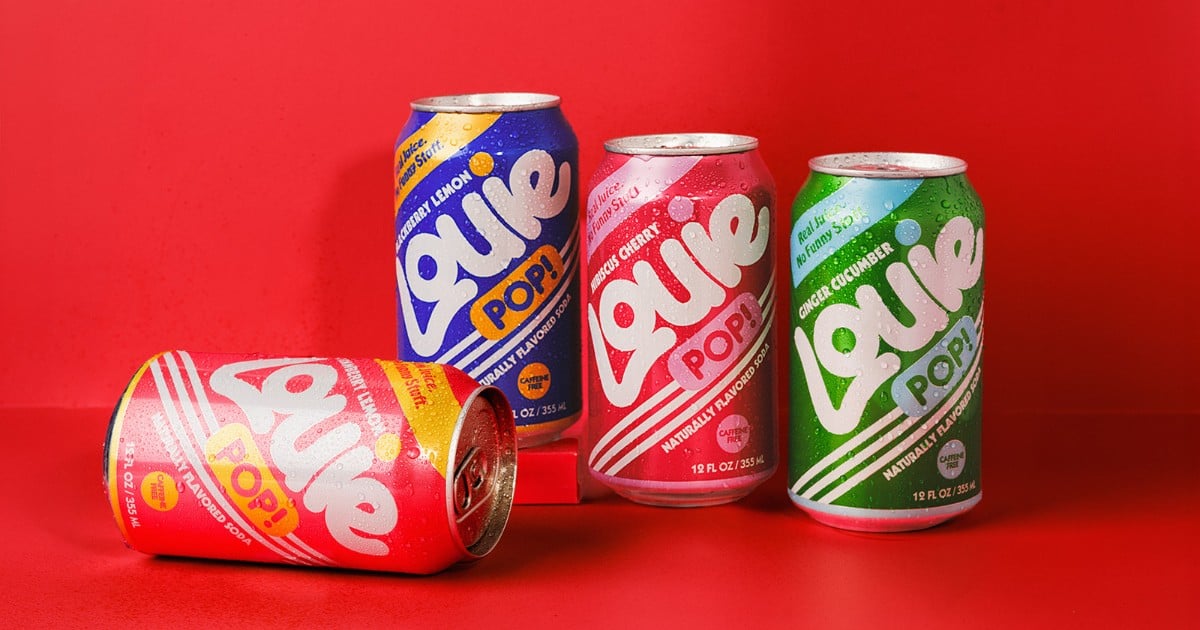
It’s a question founders are increasingly raising to us: should some non-alcoholic ready-to-drink (RTD) brands be positioning themselves more like premium sodas?
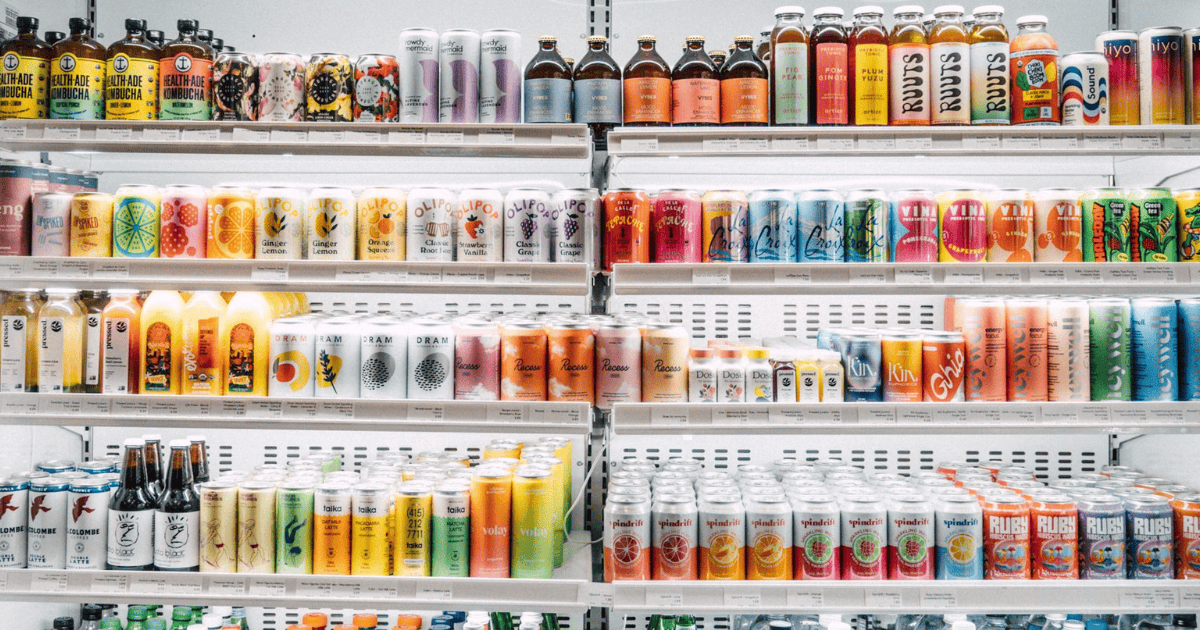
For brands selling through non-alc bottle shops, it might not feel urgent. But for those navigating mass retail environments like Target or Whole Foods, where shelf adjacency and pricing comparisons are all considerations, it’s a live debate. When your $4–6 spritz sits next to a Poppi or a Olipop, the purchase can become more difficult for consumers to justify.
To decide, you have to ask yourself whether your consumer is thinking about this category and your product in the same way you are.
Convenience has its limits
Three years into the non-alc RTD boom, we’ve seen the format deliver on access and ease. At Spirited Away in New York City, RTDs routinely top the bestseller list. They’re portable, trial-friendly, and far less intimidating than a $40 bottle of a base spirit you might not know how to use.
But convenience has its limits.
Some consumers note RTDs taste great, but so do the DIY versions they made at home, at a fraction of the price. The promise of RTDs was that they’d be effortless, but as consumers become more ingredient-savvy, they’re starting to ask questions about what they’re really paying for.
The same simplicity that makes some RTDs approachable can also make them feel… expendable.
The pricing paradox
The problem isn’t just what’s in your can and why it’s priced a specific way. What makes all the difference is how the can it’s sitting next to is priced.
Premium sodas like Poppi and Olipop have paved a clear path here. Poppi doubled sales year-over-year in 2024 and was acquired by Pepsi, and Olipop hit $400M in revenue while commanding prices higher than Pepsi.
These brands don’t try to justify their price through storytelling alone. They offer functional benefits (gut health, prebiotics) and wrap them in familiar, soda-like packaging that communicates value in seconds.
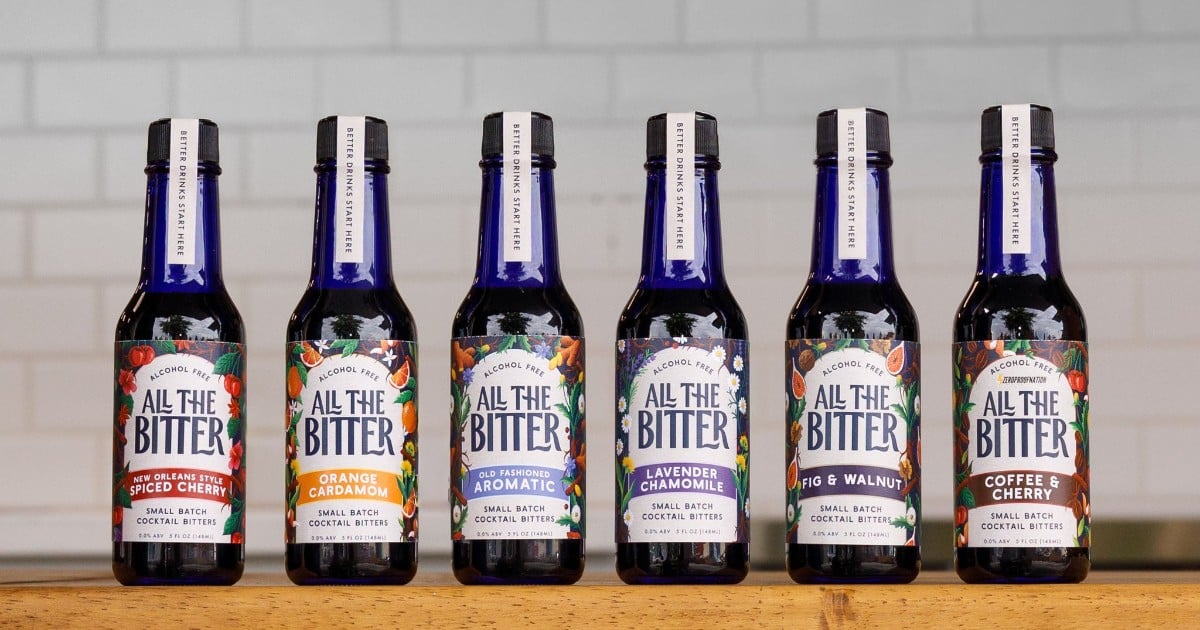
Compare that to many non-alcoholic RTDs, which require a bit of decoding: “No, this isn’t a juice. It’s not just seltzer. It’s a non-alc cocktail, but not a mocktail. No, it doesn’t use non-alc spirits either.” Before a consumer can understand what the product is, they’ve often moved on.
Clarity, it turns out, is a key part of the value equation.
When “canned cocktail” isn’t the right language
For brands that don’t lean on non-alc spirits or bar-style builds, “mocktail” may be doing more harm than good. These drinks may have layered flavor profiles and premium ingredients, but if they look like a soda, drink like a soda, and don’t contain a spirit replacement… should they be calling themselves something else?
That’s the opportunity in premium soda positioning. It’s a lane that’s already been carved by brands like Spindrift, which quietly captured an enormous chunk of the better-for-you soda market by leaning into freshness and simplicity rather than wellness maximalism.
It also lets brands step away from the sugar trap. RTDs often feel pressured to justify higher prices by claiming functional benefits or ultra-clean labels, but premium sodas have proven that a touch of sugar isn’t disqualifying when the positioning is clear and the taste delivers.
What you could gain (and what you could lose)
Reframing your RTD as a premium soda offers distinct benefits:
- Consumer clarity: “Premium soda” is a concept people get immediately. No long backstory required.
- Operational simplicity: Soda-formulation processes are often less expensive and more scalable than complex mocktails, especially those built to mimic alcohol.
But there are trade-offs. You may sacrifice “craft” perception, the small-batch mystique that justifies $5+ price tags and DTC markups. You’ll also bump into price ceilings: sodas, no matter how premium, generally top out around $3–4 in retail.
And if your flavors skew niche, “soda” might feel too pedestrian to communicate that nuance.
The strategic implications
This is about meeting the consumer where they are. And in mass retail, that often means rethinking how you tell your product’s story, and whether you’re asking the customer to do too much work to get it.
For brands struggling with sell-through or clarity, premium soda positioning is worth testing. That might mean simplifying your formula, streamlining your brand language, or adjusting your price point to slot in alongside competitors in that space, not beside non-alc spirits.
An important note: It’s not a demotion, it’s a reframing. And at a time where major soda brands are launching Shirley Temple spinoffs and prebiotic brands are eating up shelf space, the opportunity may not lie within cocktail culture. It might be in owning soda’s next evolution.
Format doesn’t need to equal identity
A few years ago, the RTD conversation was all about format: cans vs. bottles, portability vs. ritual. Now, it’s about identity. What does this product want to be?
There’s no shame in stepping away from cocktail mimicry if your product doesn’t deliver that kind of experience. And in fact, there may be greater upside in going head-to-head with soda, where the rules are clearer and the competition less congested with tiny brands making big promises.
Call it a spritz. Call it a soda. Just make sure the customer knows why they’re picking it up—and why they’ll come back for more.