Despite its near-universal appeal and functional versatility, coffee remains a surprisingly underused ingredient in non-alcoholic beverages.
Especially when you consider the numbers: coffee accounts for nearly 70% of all caffeine consumption in the U.S. and roughly 69% of the U.S. population consumes at least one caffeinated beverage daily.
Yet in the world of non-alc, coffee’s presence is far from dominant, and its full potential is still largely untapped. That may be starting to change.
Coffee’s hidden potential in the Non-alc category
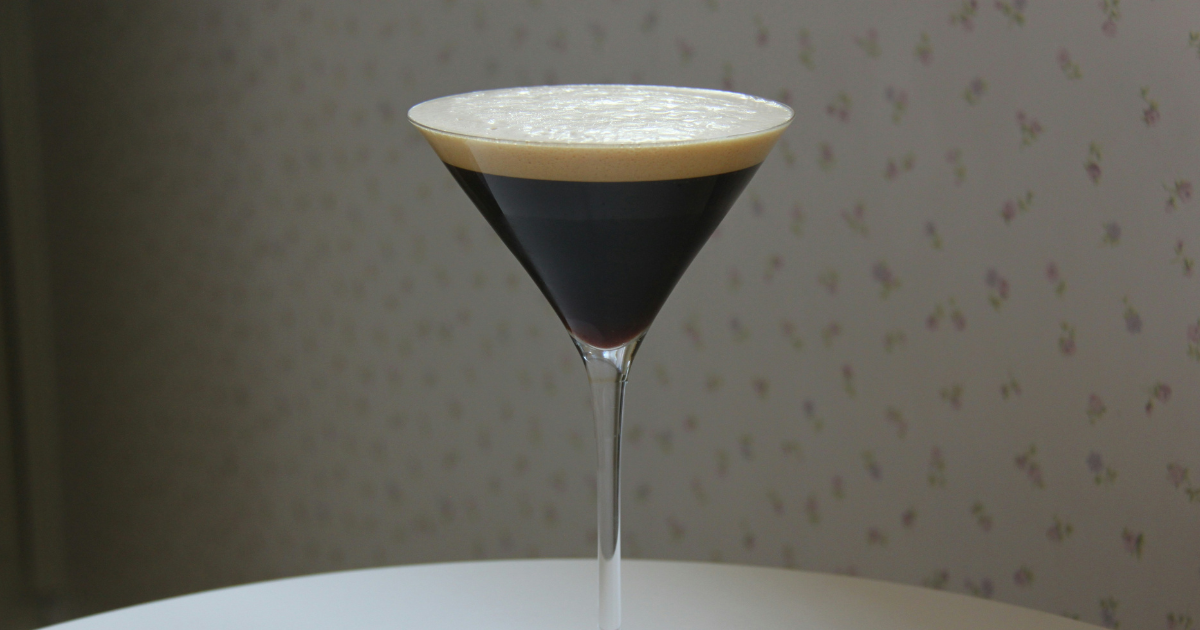
For years, the use of coffee in non-alcoholic beverages has been relegated to just a few notable exceptions. Lyre’s created a coffee liqueur, and Little Saints made an espresso martini, but few others followed suit.
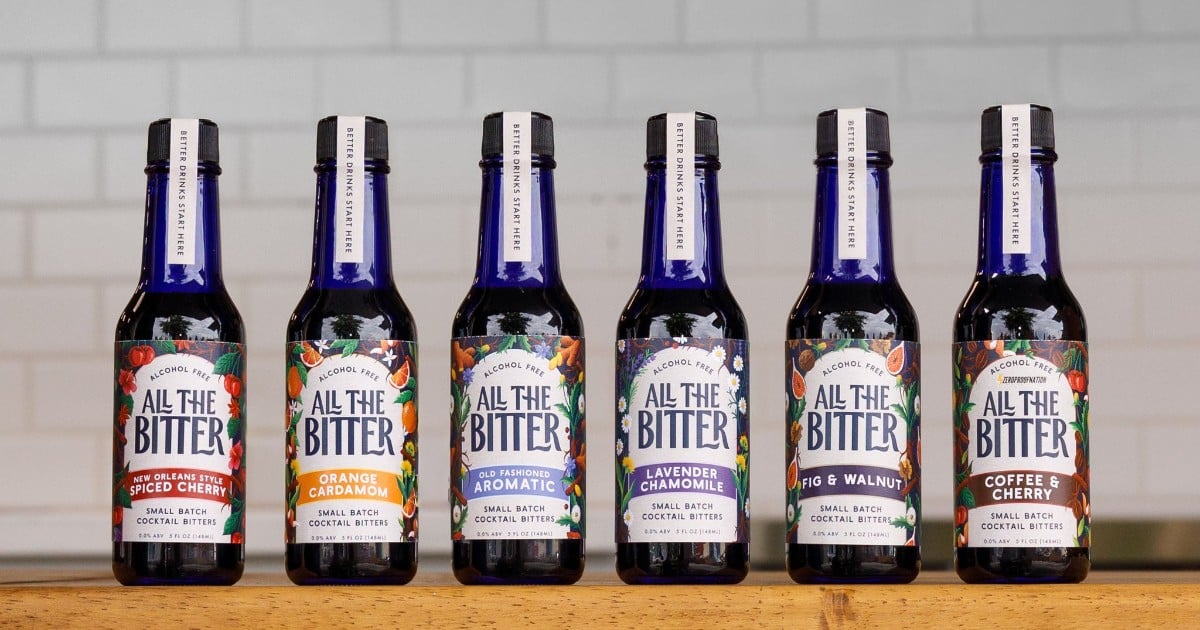
Now, more recent launches are giving the ingredient a second look. Free Spirits recently introduced an Espresso Old Fashioned, an evolution of two classic formats with modern appeal. All The Bitter debuted its Cherry Coffee Bitters, a collaboration with Laura Silverman, which delivers tart complexity without leaning into sweetness. Co-founder Ian Blessing has even spoken publicly about his favorite use case for bitters: adding them to cold brew.
This shift aligns with broader industry data. Caffeine is the #1 functional driver behind broader non-alcoholic beverage purchases, outranking vitamins, electrolytes, and botanical additives. And within that demand, coffee remains the dominant source of caffeine intake, a fact beverage founders can’t afford to ignore.
Function + flavor: coffee’s two-sided strength
The appeal of coffee in this category isn’t just about the buzz. It’s about what coffee represents: a built-in ritual. It’s a familiar flavor that carries a weight of complexity and maturity.
In non-alc cocktails, coffee can do what few other ingredients can: lend bitterness, body, and mouthfeel, the exact elements many brands struggle to replicate without alcohol. It’s why coffee works so well in aperitif-style formats and zero-proof digestifs. Used creatively, it can ground citrus-forward sippers, add tension to herbal notes, or even elevate fruit-based flavors (as seen in All The Bitter’s cherry blend).
From a functionality standpoint, coffee is also the original nootropic. In a beverage space increasingly driven by “feel-something” formats, caffeine provides a clear, well-understood way to deliver energy and focus without any intoxicating effects. There’s a reason founders describe it as the closest parallel to alcohol’s social ritual!
Why have brands hesitated, then?
So, if the data supports it and the use cases are clear, what’s holding brands back?
Some early caffeine-infused products fell flat. Others feared consumer pushback around overstimulation, especially in evening settings or among wellness-minded buyers. But these concerns may be overstated.
For one, many consumers now expect to see caffeine as an option, not a drawback. And for those concerned about being too wired, there’s an obvious middle ground: decaf or low-caf coffee infusions, which preserve the complex flavor without the kick.
The broader market trends also suggest that energy and relaxation are no longer mutually exclusive goals in the non-alc space. As some brands lean into calming ingredients like kava, others can chase the buzz of a well-dosed caffeinated spritz.
The point is not to choose one or the other, but to offer options for different moods, times of day, and social occasions.
Real-world inspiration: coffee cocktails, bitters, and beyond
Innovators are already showing what’s possible for non-alc coffee combos.
Han Suk Cho, founder of Zero Proof, collaborated on a Coffee Spritz that uses coffee’s bitterness to mirror the complexity of an alcoholic aperitif. All The Bitter’s bitters offer another model, where coffee functions more as a layer than a leading flavor. And there’s the humble espresso tonic; a favorite of Sam Bail (Third Place Bar), who orders it as her go-to when a mocktail menu comes up short.
These are all deliberate choices that show how coffee can plug real gaps in a category often criticized for one-dimensional flavor profiles.
Don’t sleep on coffee
If you’re building a beverage in today’s non-alc world, then (for lack of a better pun), don’t sleep on coffee. There’s plenty of room to experiment, blend, and scale.
Think up your own coffee-dosed RTDs, or even dual-format caf/decaf offerings that cater to both sides of the caffeine curve. Use decaf if your audience leans wellness. Go bold if you’re targeting an afternoon energy slump. The possibilities are endless.