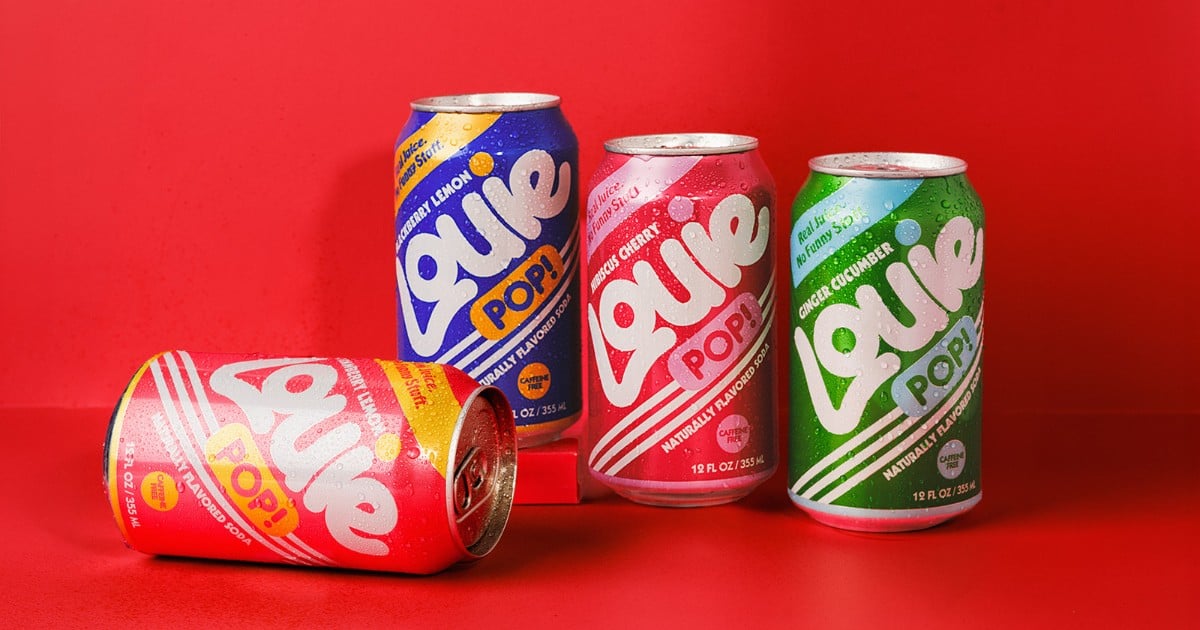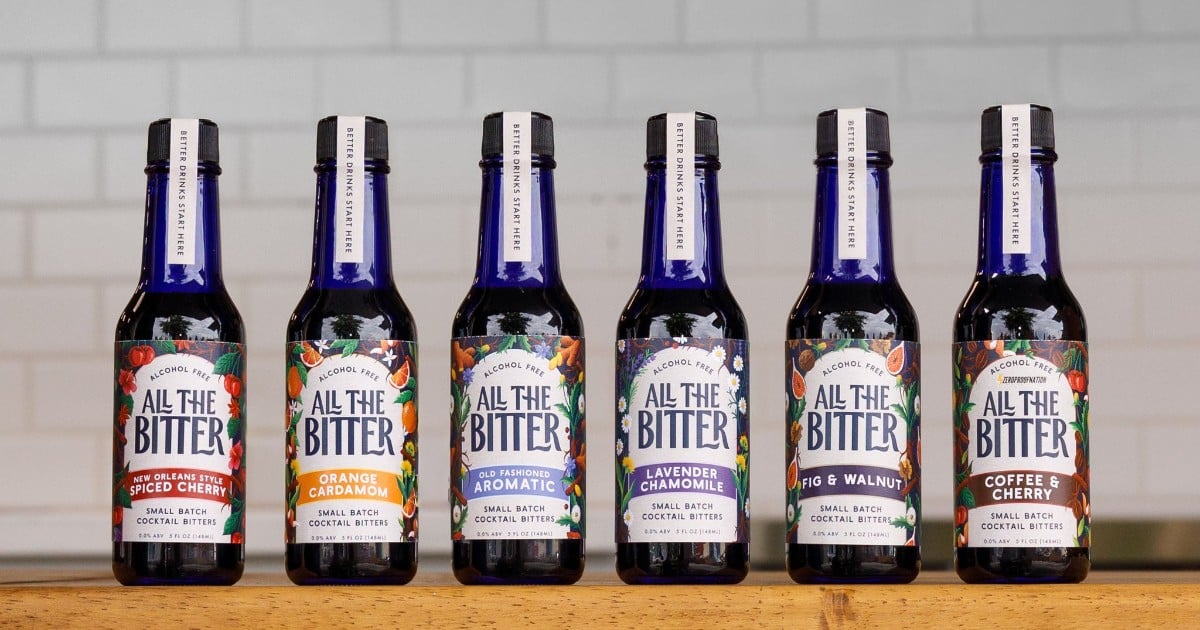
Back in 2023, we called it early: RTDs were going to be a major force in the non-alc space. And the category delivered.
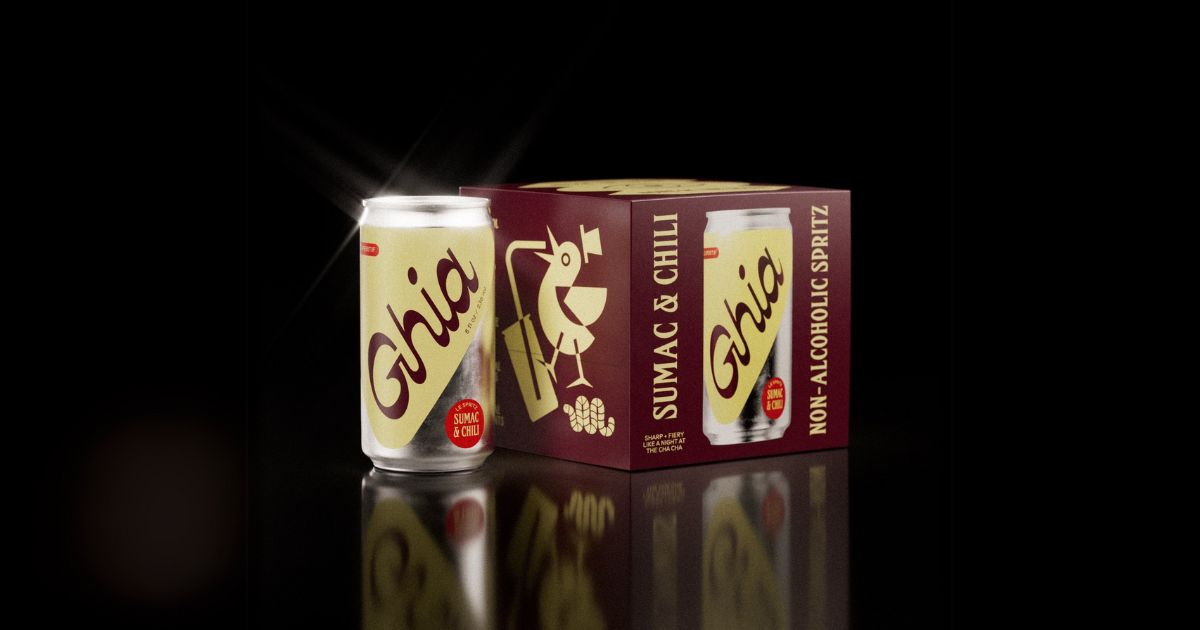
Ghia made headlines with its Sumac & Chili Spritz, one of the buzzier non-alc launches of the year. Guinep brought unique inventive flavors to the fore. Recess extended into Zero Proof territory with its Craft Mocktail collection and a first-of-its-kind college sports sponsorship.
Each of these moves wasn’t just about novelty. They tapped into what makes RTDs especially strategic in this category: accessibility. They lower the barrier to entry in both form and function.
At Spirited Away, America’s first non-alc bottle shop, single-serve RTDs continue to dominate the best-seller list, and it’s not hard to see why. They cater to real consumer behavior. Most people aren’t shaking cocktails at home, and that applies to non-alc ones. At $5–7, they also allow trial without commitment. It’s a far cry from the $30–50 price tag on many bottled spirits.
But three years into this boom, the conversation has started to shift.
Convenience has its limits
As more brands enter the space, consumers are beginning to interrogate what’s inside the can, and whether it’s worth the premium. Tara Oporto recently shared this sentiment after trying the Pathfinder Spritz: “It’s beautifully branded, delicious, and super enjoyable to sip. But when I tasted it, I had this moment of… wait a second. Isn’t this just Pathfinder with seltzer?”
Her experiment confirmed the hunch. Making the drink at home was nearly identical, at a fraction of the price. “Unless I’m headed to a music festival or beach day where cans are truly more convenient, there’s no reason I’d buy it again in that format,” she concluded.
It’s a sentiment we’ve seen echoed on the ground, too. RTDs solve for ease, but they don’t always deliver on value, especially when the recipe is replicable.
That’s where the challenge lies. The very thing that made RTDs so powerful in the first place (their simplicity) is also what may threaten their staying power. As consumers grow more comfortable with non-alc ingredients and more curious about customization, a basic spritz can start to feel like a downgrade.
The premium problem
Then there’s the issue of perception.
Ghia added canned spritzes in April 2021, less than a year after launch, despite the risk that a can invites comparisons to seltzers or premium sodas and makes the price harder to justify.
The cans became a breakout hit, ultimately driving about 60% of Ghia’s sales (per Fast Company, September 2025). Today, Ghia’s cans are stocked in Target and Whole Foods, proving that great branding and complex flavor can elevate even the humblest vessel.
Still, this tension between premium brand equity and mass-market format hasn’t gone away. Brands launching RTDs today must work harder than ever to communicate value. A canned spritz with three ingredients may not cut it.
Evolving the format and moving forward
We’re still bullish on RTDs. But the next wave of innovation may need to shift away from basic spritzes and toward more complex, layered formats.
RTD producers can borrow this mindset. Use complexity to justify premium pricing. Make it hard to recreate at home. And when it’s simple, make the case with context by highlighting occasions where RTDs shine: travel, festivals, and hospitality settings where speed and shelf-stability matter.
Tara again put it well: “I still think there’s a major opportunity for non-alc brands off-premise—but on-premise? I think they’ll have to work extra hard to prove why it’s better than what the bar could make in-house for less.”
That means for restaurants and bars, house-made may win. But for hotels, stadiums, and cruise lines? We’re already seeing massive demand for pre-batched, consistent options that can deliver non-alc complexity at scale.
RTDs aren’t going anywhere
Make no mistake, this isn’t a format we see declining in popularity any time soon. But, their role is evolving.
For brands, the takeaway is this: don’t just can for the sake of it. Think about why your product needs to exist in this format. Push the boundaries on flavor. Be transparent on pricing and value. And tailor your distribution to where it adds real utility.