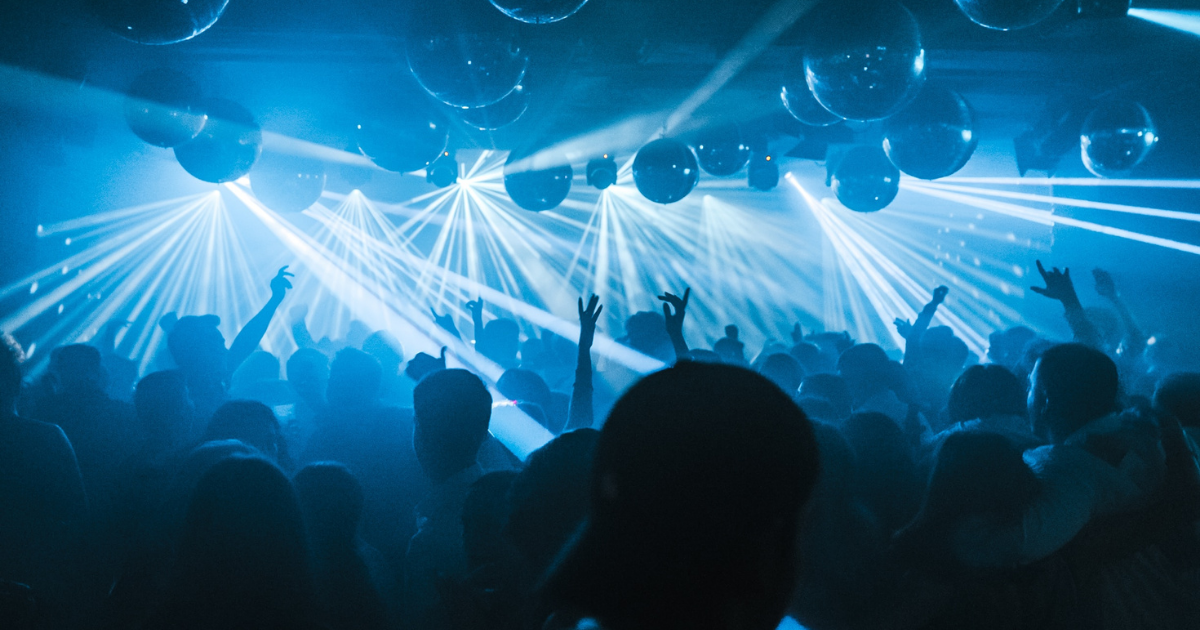
Imagine a vibrant night of conversation, laughter, and dancing, but with a notable absence—alcohol. This is the essence of booze-free partying. While the concept of enjoying a night out without alcohol isn’t entirely novel, recent developments and cultural shifts are giving it a fresh twist.
First, let’s look at the history of booze-free partying. The Straight Edge movement of the 80s is a compelling example within the punk and hardcore music scenes. More recently, we’ve seen the rise of dedicated sober events like Daybreaker, which offers early morning dance parties with no alcohol in sight. These gatherings prioritize wellness, connection, and a sense of community, proving you don’t need alcohol to have a good time. More recently, see the rising popularity of Superbloom Collective Adam Weiss’s Natural High in California. “Besides bars, there’s no other place for us to socialize. We had to create something,” said Courtney Miller, Co-Founder of Superbloom.
Not drinking at parties has also extended beyond alcohol-free communities and events. For example, drinking at festivals has dropped, especially among Gen Z. Driving factors include their growing awareness of the harmful effects of alcohol consumption, plus their sense of constant surveillance thanks to platforms like TikTok. Now, clips of blackout blunders can go viral like never before. While some journalists go as far to say that Gen Z’s drinking habits are killing concerts, non-alcoholic options at these venues are starting to emerge; see The New Bar’s prominent presence at Coachella. “If you’re with the right people, there’s no reason at all that you can’t have fun sober,” says 24-year-old Ben from the United Kingdom. For him, clubbing is all about finding DJs he likes: “that’s the key incentive for me to go out.”
Today, booze-free partying permeates everyday life. The term “equally attractive non-alcoholic beverages” (EANABs) is widely used at US colleges, where they’re often required at parties. This is the case at Stanford, for example. Beyond campus life, party hosts in their 20s and 30s are favoring out-there themes over booze to make their gatherings interesting. “Gone are the days when a party’s cool quotient was determined by trashed living rooms sprayed with used red Solo cups, sticky spilled White Claws, and regrettable mirror selfies on your Instagram Stories,” says The Cut. “Today, we measure how wild a party is with how wacky its theme is.” Social media, especially TikTok, has also played a significant role here. Creative themes and challenges routinely go viral on the platform, which have made these alcohol-free gatherings trendy and appealing to a wider audience.
Booze-free partying represents a shift in how we define a good time, highlighting the non-alc industry’s potential to cater to a growing audience seeking alcohol-free social experiences. As this trend continues to evolve, the industry has a unique opportunity to explore new avenues for growth and innovation.
Implications
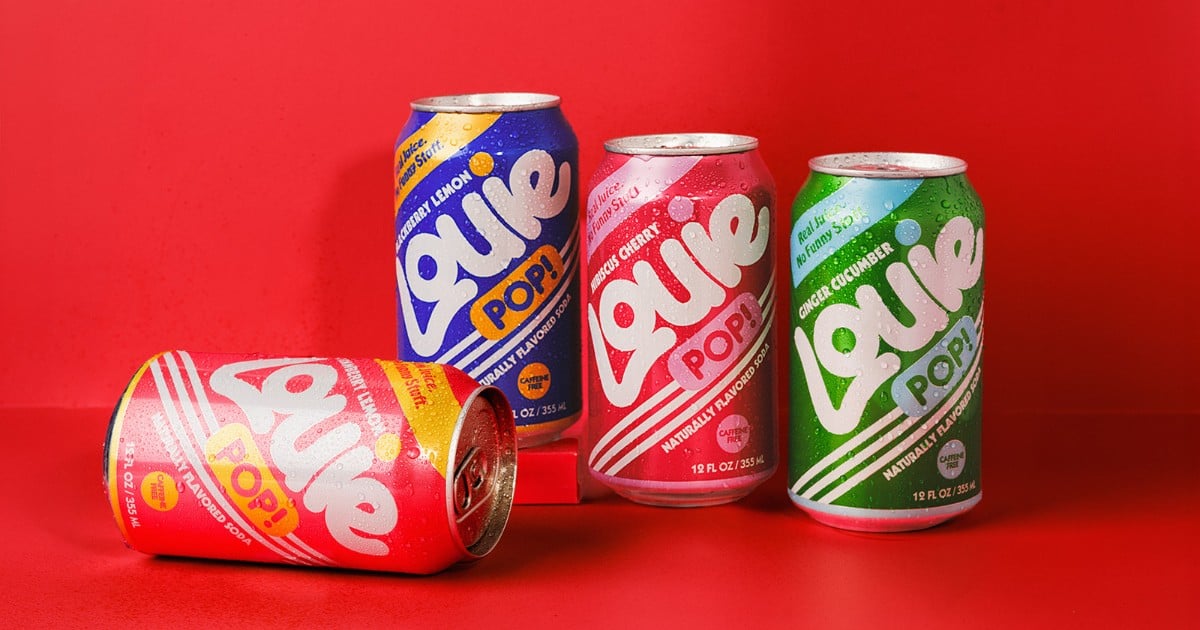
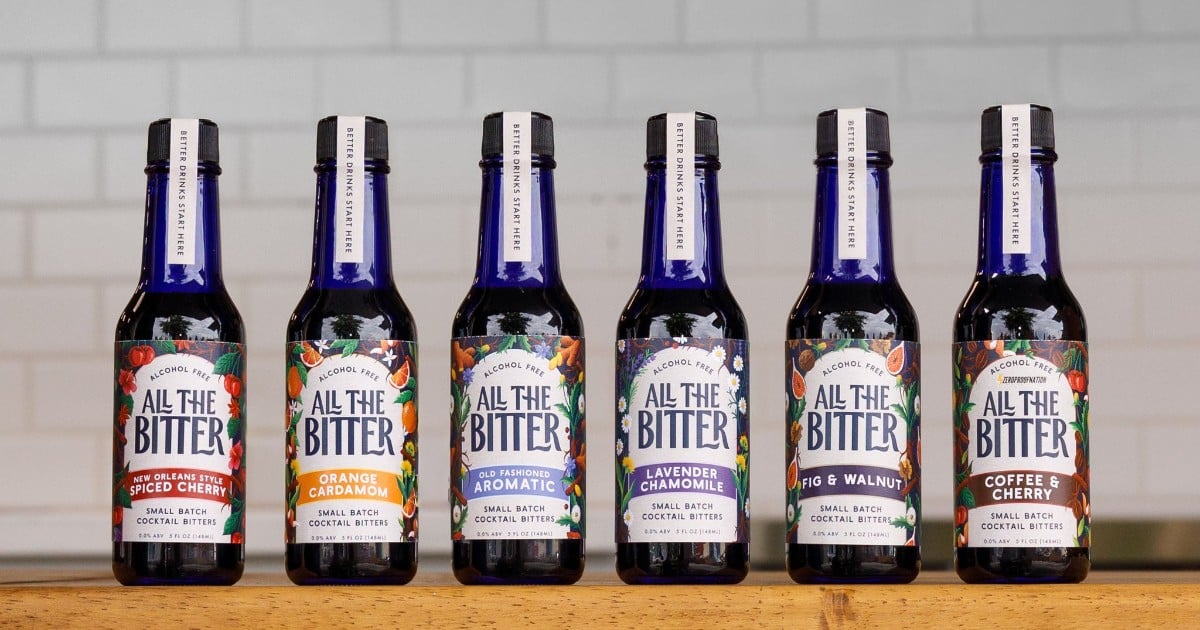
- Product formats: as booze-free partying gains momentum, demand for ready-to-drinks will increase further. We anticipate their continued rise both at venues and at home.
- Product positioning: to effectively tap into this trend, brands can center marketing campaigns on the fun and social aspects of non-alc. We’re bullish on irreverent brands like Buzzkill Wines and those like Figlia that emphasize genuine connections and memorable experiences (“created for moments you want to remember”).
- Collaboration opportunities: brands can collaborate with event organizers to provide compelling non-alc beverage options, creating a win-win situation for both industries. We love what Absence of Proof is doing on this front.