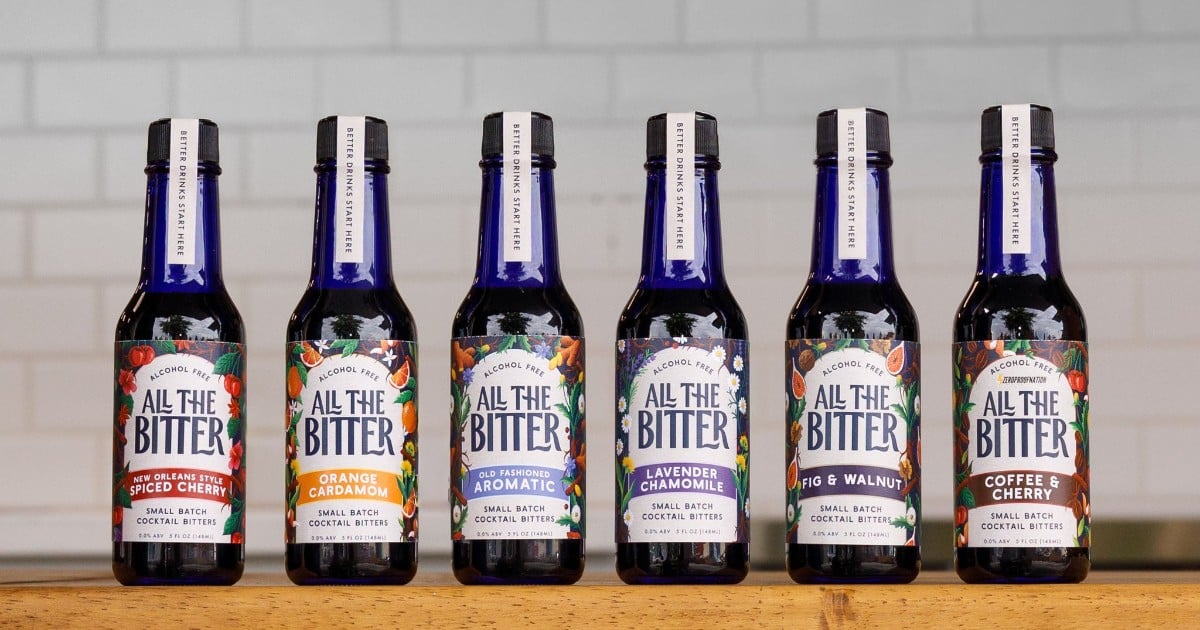
A customer called All The Bitter to ask where her order was. While she had someone on the line, she mentioned why she buys the brand’s alcohol-free bitters: she has a liver condition, and she wants the gut-friendly botanicals. The person who picked up was co-founder Ian Blessing. All The Bitter markets its bitters on flavor. That call told him some customers are buying them for the traditional bitter roots.
Customer service is moving the other way, toward storefront chatbots and AI. A Gartner survey of 321 customer service leaders, published in February, found that 91% were under pressure from their executives to implement AI. Blessing, who runs the brand out of Chico, California, still personally answers the contact form, email, Instagram DMs, and the phone.
Why he stays in the inbox
Blessing’s standard is a reply within 24 to 48 hours. In practice, he says, most go out within a few hours and nearly all within twelve. There’s no chatbot. “It’s the same principle as making our bitters in-house instead of hiring a co-packer,” he says. “I don’t have much interest in removing ourselves from the food we make and sell.”
The load is roughly 20 to 25 emails and calls a week, plus much heavier traffic on Instagram. He also reads every DTC and wholesale order as it comes in. And because the brand ships in-house, he stays in the fulfillment path too. He says he’d step back at five to ten times current volume. “I’d probably let myself get a little overloaded before giving up that touchpoint.” That’s consistent with how the company started. He and co-founder Carly Blessing bottled the first 30,000 by hand.
What the inbox reveals
The order feed is where some of the most useful signals show up. In a single month, DTC orders arrived from Death & Co and Trick Dog. Blessing used them as an opening to send samples of new flavors and start wholesale conversations. At most brands, wholesale leads come from distributors and trade shows. At All The Bitter, he says, a growing share now comes out of consumer orders.
Product changes have come from the same place. Blessing described customers asking for more lemon after All The Bitter’s Meyer lemon verbena release. Most of them, he realized, didn’t know what lemon verbena was. The next batch had double the lemon peel. “We wouldn’t have necessarily made those changes on our own in a vacuum, but hearing that feedback from people in real time made us realize what our customers wanted.”
Why the gap is getting wider
Gartner’s consumer data, released September 2, explains why this matters more now than it would have a few years ago. In a survey of 3,566 customers, 49% said they would have been willing to use a chatbot, but only 7% used one in their most recent service interaction. Of the same group, 87% said access to a human is essential when a company uses generative AI in service, and just 27% would try a chatbot again after a bad experience. Gartner’s own advice to companies is to prioritize “reliability over reach.”
A founder who replies within a few hours is about as reliable as service gets. And every competitor that sends customers to a bot makes that reply more noticeable. All The Bitter’s reviews call out the customer service, and the brand is seeing repeat purchases. A bottle of bitters normally sits on a home bar for years. The company says its repeat buyers reorder monthly or four to five times a year, and often buy for themselves before sending several as gifts.
Limitations of the model
The model depends on two things: the founder has to want the contact, and volume has to stay below overload. Founders who resent the inbox will send slow, grudging replies, which a well-run outsourced desk beats. Above a certain volume, a proper support team wins outright.
Blessing’s plan for that point is to route, not remove. Shipping questions and cancellations would go to his operations manager, brand and ingredient questions to his co-founder, and wholesale and business inquiries would stay with him. The lesson for other founders is to figure out which touchpoint produces information you can’t get anywhere else—and to protect that one as the company grows.