By Philip Brandes, Founder and CEO of Bravus Brewing Company
It’s hard to dive into the world of non-alcoholic beverages without encountering the phrase “better for you.” Everywhere you look, brands and influencers promote non-alc products as healthier alternatives to alcoholic drinks. But are they all truly better for you? While these beverages eliminate alcohol, a closer look at some products sometimes reveals a hidden truth: they can contain sugar, artificial ingredients, and preservatives, making them problematic for those pursuing health and wellness goals.
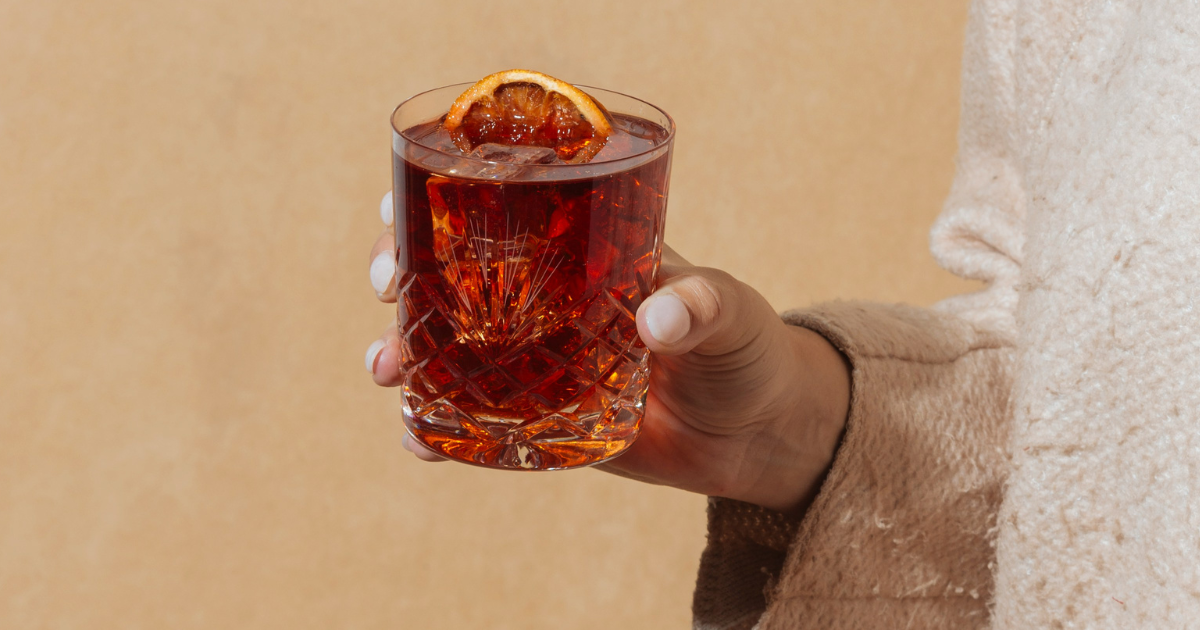
The biggest offenders are mocktails and non-alcoholic spirits. The word “mocktail” means different things to different people, but for this article, I’m focusing on canned ready-to-drink (RTD) beverages that mimic alcoholic cocktails, as well as non-alcoholic spirits sold as alternatives to their alcoholic counterparts. When it comes to unhealthy ingredients, it’s important to take a closer look at some of these options.
Sugar, sugar, everywhere
To be clear, I’m not someone who believes “sugar is the devil,” especially compared to artificial sweeteners. In moderation, sugar can be a decadent treat or a nice reward. Since nutritional information is listed on labels, the amount of sugar in your diet is your choice. That said, it’s important to be aware of sugar hidden under different names. For example, a well-known non-alcoholic spirit lists eight ingredients, and half of them are sources of sugar.
You already know to watch out for ingredients ending in “-ose,” like glucose or fructose, but don’t forget about malt extract, corn syrup, cane juice, and fruit sugars (yes, processed monk fruit sugar is still sugar). Another hidden source? “Natural flavors.”
Beware of artificial sweeteners or chemically-derived sweetness enhancers used to reduce calorie counts. While fewer calories might sound appealing, these additives often come with their own health risks.
Sugar isn’t the only culprit
Quick: Which beverages contain natural flavors, caramel color, sodium benzoate, and potassium sorbate? If you guessed diet soda, you’d be right. But did you know that one of the top-selling non-alcoholic spirits also contains these ingredients? Many non-alcoholic spirits and RTDs rely on preservatives like sodium benzoate and potassium sorbate to extend shelf life. These are hardly health-friendly additives.
The “health halo” effect
Many non-alcoholic beverages benefit from what’s called the “health halo” effect, which leads consumers to believe a product is healthy simply because it’s marketed as such. Labels like “zero alcohol,” “low-calorie,” or “all-natural” are often seen as indicators of a healthier choice, even when the nutritional facts tell a different story. My advice: take a closer look. Sometimes, you’ll find hidden sugars, preservatives, and artificial ingredients that don’t align with the health claims being made.
There are good(e) options out there
Not all mocktails and non-alcoholic spirits are created equal. Some brands genuinely prioritize wellness by using natural ingredients, limiting sugars, and incorporating functional ingredients that have a positive effect on your mind and body. We’re one of them. At Phil & Goode, the name says it all. Our products aren’t just better for you—they’re Goode for you. We don’t add any sugar. We use a preservative derived from white button mushrooms. We even include adaptogens and nootropics like lion’s mane and cordyceps. Yes, these ingredients are more expensive, but as a company that operates under the health halo, we believe it’s our duty to deliver a product that promotes your well-being—not detracts from it.
About the author
Philip Brandes is the Founder and CEO of Bravus Brewing Company, North America’s first non-alcoholic brewery. The company recently launched a line of functional non-alcoholic spirits and ready-to-drinks called Phil & Goode, along with a non-alcoholic wine called Wine0.