53% of buyers expect to bring or serve alternatives at a holiday gathering between now and the end of the year, according to our October survey of 1,003 alcohol-alternative buyers (fielded by Prodege Insights, Oct. 8–16, 2026).
January looks different. 19% of U.S. adults 21+ plan a Dry January in 2027, and 41% of those planners expect to drink alcohol alternatives during the month, according to our October survey of 1,149 U.S. adults 21+ (fielded by YouGov, Oct. 14–15, 2026). Both findings come from The State of Alcohol Alternatives, October 2026 Edition. The holidays and January are two recruitment moments, and the category holds a different position in each.
The holiday table recruits through the buyers already in the category
Holidays and family celebrations are the third most common occasion for alternatives, named by 41% of buyers. Nearly one buyer in five first tried an alternative at someone else’s home. When a buyer brings a bottle to a gathering, the guests are the people being recruited.
That raises the cost of a weak bottle. Non-alc wine, the segment whose buyers drink it least often, has the most to gain from a season built around the table and the most to lose from a bottle that disappoints in front of guests. The report’s recommendation for wine brands is to decide this quarter whether the brand is built for the holiday table or for the weeknight, and to price and pack for that choice.
Dry January is a window the category doesn’t own yet
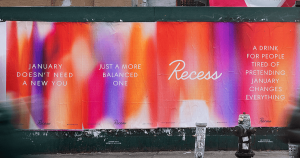
The January planner arrives with a goal and, in most cases, no product attached to it. Three in five adults planning a Dry January don’t expect to drink an alternative to get through it. The plan skews young: 32% of adults 21 to 34 plan a Dry January, against 12% of adults 55 and older.
Several of the category’s pioneering brands have argued that Dry January is losing its centrality as alternatives become part of everyday drinking. The October data neither confirms nor refutes that. It shows a dry month that remains a plan for about one adult in five, with alternatives in the plan for fewer than half of those planners.
The two moments call for different work. In December, the brand’s job is the bottle a buyer carries to someone else’s table, and how it holds up once it’s poured. In January, the job is getting into a plan that, for most planners, doesn’t include the category yet.
The full report carries two exhibits on this topic, along with the occasion data behind them.