Non-alc is becoming a year-round preference
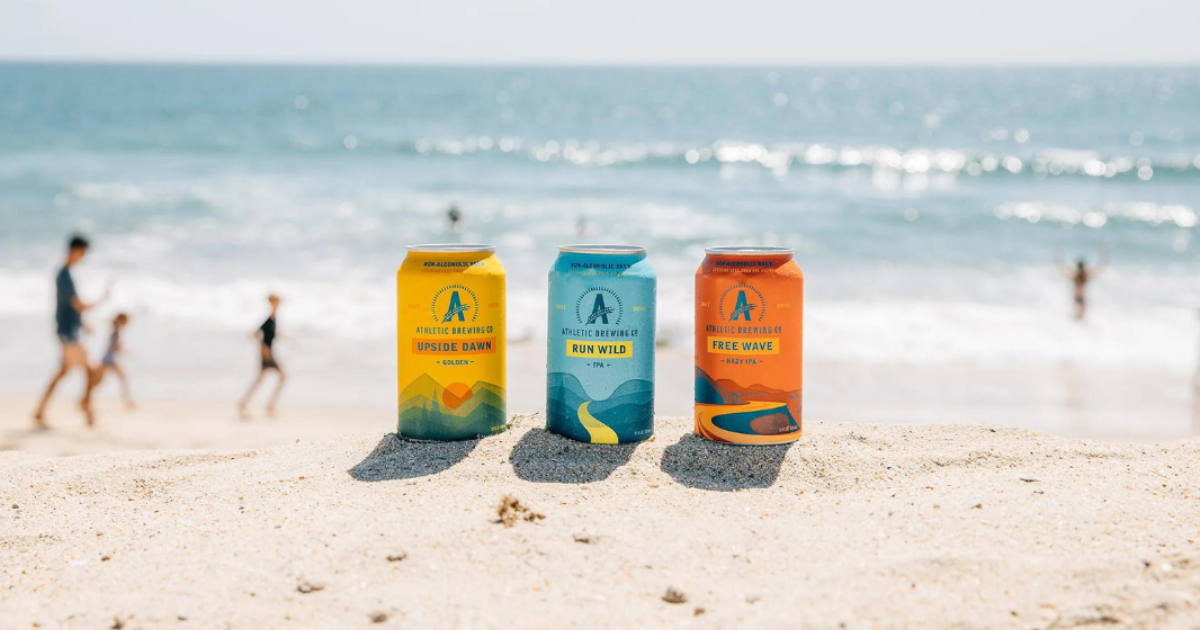
Non-alc options are gaining momentum, transcending seasonal trends to become a year-round preference. The latest data from NielsenIQ indicates a 31% surge in US off-premise sales of non-alc spirits, wines, and beers, to $510 million, in the 52 weeks ending July 29, 2023. The growth is also reflected in online sales, with platforms like Drizly reporting a 54% increase in non-alc beverage sales in the first half of the year.
This uptick is not just a fleeting response to initiatives like Dry January or Sober October; it reflects a deeper, more enduring change in consumer behavior—a broader move towards moderation. This shift is further evidenced by the fact that over 94% of non-alc buyers also purchase alcoholic beverages. Integrating non-alc options into alcohol consumption patterns is particularly pronounced in the beer category, where non-alc options now account for 2% of all beer sold in grocery stores.
Source: NielsenIQ
The UK’s definition of wine may be changing
The UK is planning to redefine its legal definition of wine, lowering the minimum alcohol by volume (ABV) from 8.5% to 0%. This move aims to simplify its market, which currently labels anything below 8.5% ABV as a “wine-based” product. The UK’s Wine and Spirit Trade Association has expressed the need for clarity to prevent market confusion, indicating a willingness to collaborate on the new labeling rules.
While this new definition would increase marketing flexibility for non-alc brands, it could also set consumer expectations too high. Non-alc wine is a notoriously tricky category within alcohol alternatives. Perhaps that’s why we’re increasingly seeing such beverages framed as “blends” or “proxies” (see Surely’s latest launch, Red Blend).
Source: Wine Enthusiast
Alcohol mitigation technology is advancing
Safety Shot announced promising results from a test of its patented beverage designed to expedite the reduction of blood alcohol content (BAC). In a recent study, participants who consumed Safety Shot after alcohol intake showed a statistically significant average reduction in BAC of 0.079% per hour, compared to just 0.01% per hour in the control group. This preliminary study sets the stage for a more extensive double-blinded placebo-controlled trial to validate these findings further.
If successful, Safety Shot could significantly influence the way individuals manage alcohol consumption and its after-effects. It will be interesting to see if such innovations will affect non-alc market growth.
Source: Safety Shot press release