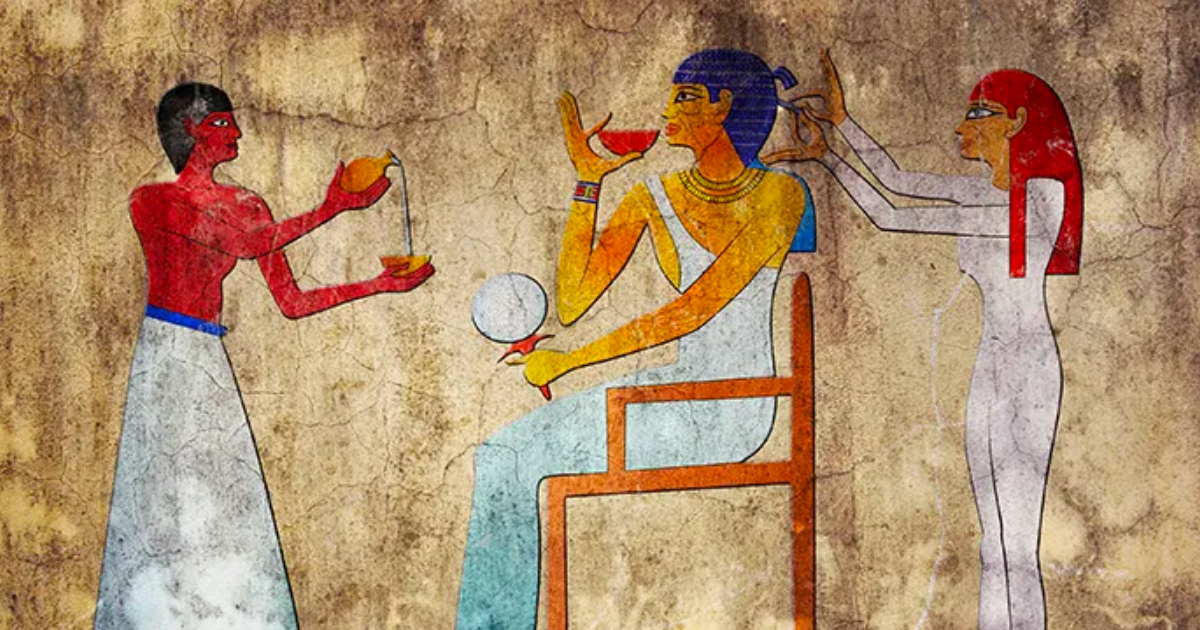
The history of adult drinks is as rich and varied as the civilizations that crafted them. Before diving into the world of non-alcoholic delights, it’s key to understand the origins of our ancient relationship with alcoholic drinks. Let’s embark on a beverage journey through time!
The dawn of inebriation: why did humans start drinking alcohol in the first place?
Fermentation was likely discovered by accident, but the earliest chemical evidence of an alcoholic drink shows it was deliberate early on: at Jiahu, in China, around 7,000–6,600 BCE, people made a fermented mix of rice, honey, and fruit. From that point on, the world was forever changed as different cultures began crafting and consuming alcoholic beverages for a variety of reasons, including:
- Preservation: In an era without refrigeration, fermentation served as a preservation method. Alcohol was often considered safer to drink than contaminated water.
- Medicinal Use: Early civilizations believed alcoholic beverages had healing properties.
- Religious and Ritualistic Significance: Alcohol often played a role in religious rituals, being viewed as a gift from the gods or a means to connect with the divine.
- Social Cohesion: Sharing a drink has always been a social event, helping to strengthen bonds within communities.
Alternatives to inebriation
For most of history, the long-term health effects of alcohol were poorly understood. Hangovers and mental fogginess provided clues, but the WHO’s cancer agency didn’t classify alcohol as a carcinogen until 1988. So, alcoholic drinks proliferated.
Despite the popularity of alcohol across many cultures over thousands of years, there were also plenty of interesting non-alc options.
Ancient elixirs and tonics
As societies grew and evolved, so did their repertoire of beverages, many of which were non-alcoholic.
- Infused Waters: Ancient Egyptians and Greeks appreciated water infused with herbs and spices, attributing therapeutic properties to them.
- Teas: Chinese legend dates tea to 2737 BCE; the oldest physical evidence, tea residue in a bowl from a tomb in Shandong, is about 2,400 years old. Tea became symbolic of health, wellness, and leisure.
Medieval refreshments
While alcoholic beverages were staples in medieval Europe, no- and low- ABV alternatives also found their place.
- Possets: hot milk curdled with ale or wine and spiced, a lower-strength drink often served as a remedy.
- Small beer: A lightly fermented, low-alcohol drink common in medieval households. Today, U.S. rules let brewers call a beer “non-alcoholic” if it’s under 0.5% ABV and says so on the label, and most U.S. brands, Athletic included, simply call theirs non-alcoholic beer.
Colonial explorations
The exploration of faraway lands introduced novel ingredients, leading to innovative beverages.
- Root beer: Starting as a fermented mixture of berries, herbs, and roots, its non-alcoholic variant gained prominence in 19th-century North America.
- Shrubs: Also known as drinking vinegars, shrubs became popular in colonial America. These were concentrated syrups made from fruit, sugar, and vinegar. Not only did they offer a refreshing taste, but they also served as a preservation method for fruits. They were mixed with water or soda water to create a tangy, refreshing drink, and were sometimes combined with alcohol for a more spirited concoction. Shrubs persist today and are a hugely underappreciated sub-category within adult non-alcoholic beverages. Here are a few shrub cocktails worth trying.
- Lemonade: Popularized in 17th-century Paris, this sweet lemon concoction quickly became an international sensation.
The temperance wave
The late 19th and early 20th centuries saw a push against alcohol, birthing many alternatives.
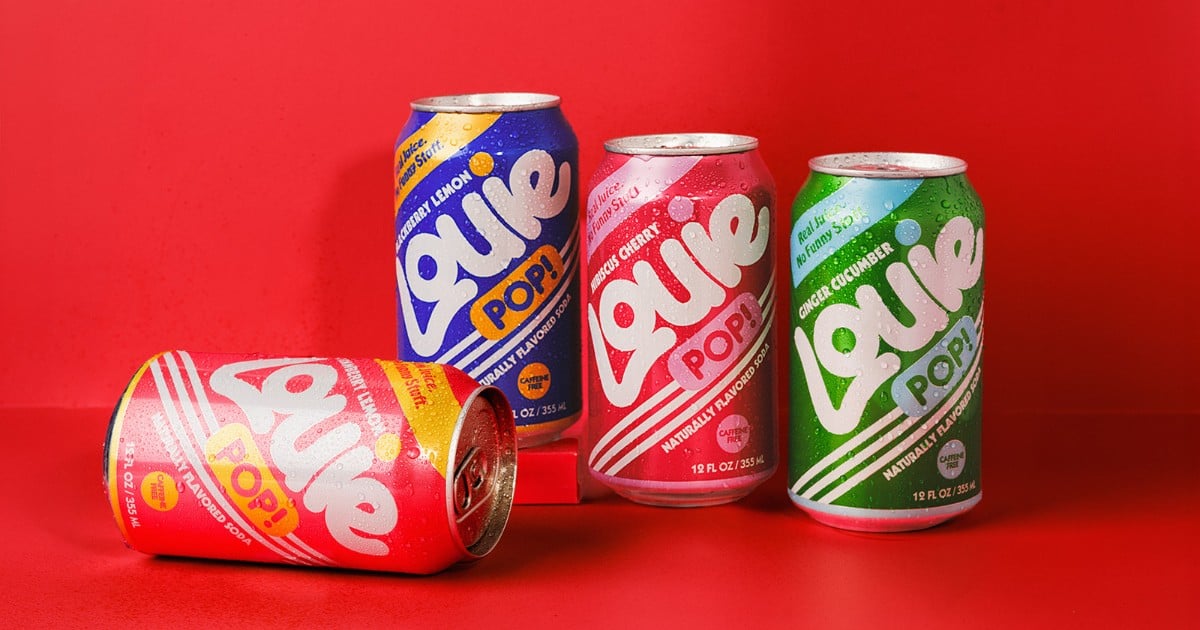
- Soda pop: As temperance movements gained ground, soda fountains emerged as popular social spots. Beverages like Coca-Cola were initially advertised as “temperance drinks.”
- Grape juice: Offered as a wine substitute, especially for religious rites, grape juice became a staple in many households.
The modern era and mocktails
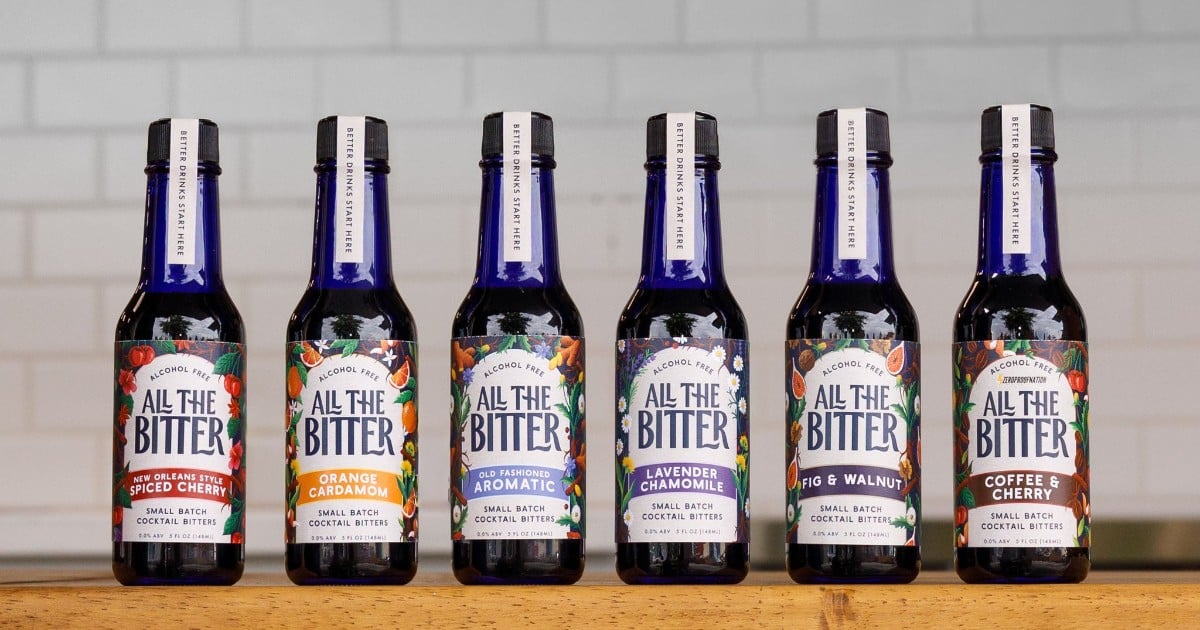
With increasing health awareness and diverse preferences, alcohol alternatives have exploded in recent years. As of September 2023, there were over 1,000 distinct liquids indexed on Dry Atlas, including spirits, wines, beers, aperitivi, cocktails, and more.
The rise in non-alcoholic beverages owes much to advancements in production technology. Techniques like reverse osmosis and vacuum distillation are now used to craft non-alcoholic variants with comparable depth and complexity. And thanks to the blend of food science and technology, modern mocktails are more than just soda-and-juice blends; they’re artisan creations that use botanical extracts and aromatic compounds to deliver a sophisticated taste.
In conclusion
From the accidental discovery of fermentation to the finely crafted mocktails of today, our beverage journey reflects human innovation, societal shifts, and the timeless quest for flavorsome drinks. While alcohol has a storied past, non-alcoholic beverages have always carved their niche, quenching thirsts and souls across eras. Cheers to the tales our drinks tell!