By Monica Olano, Co-Founder and CEO, Cali Sober Mom
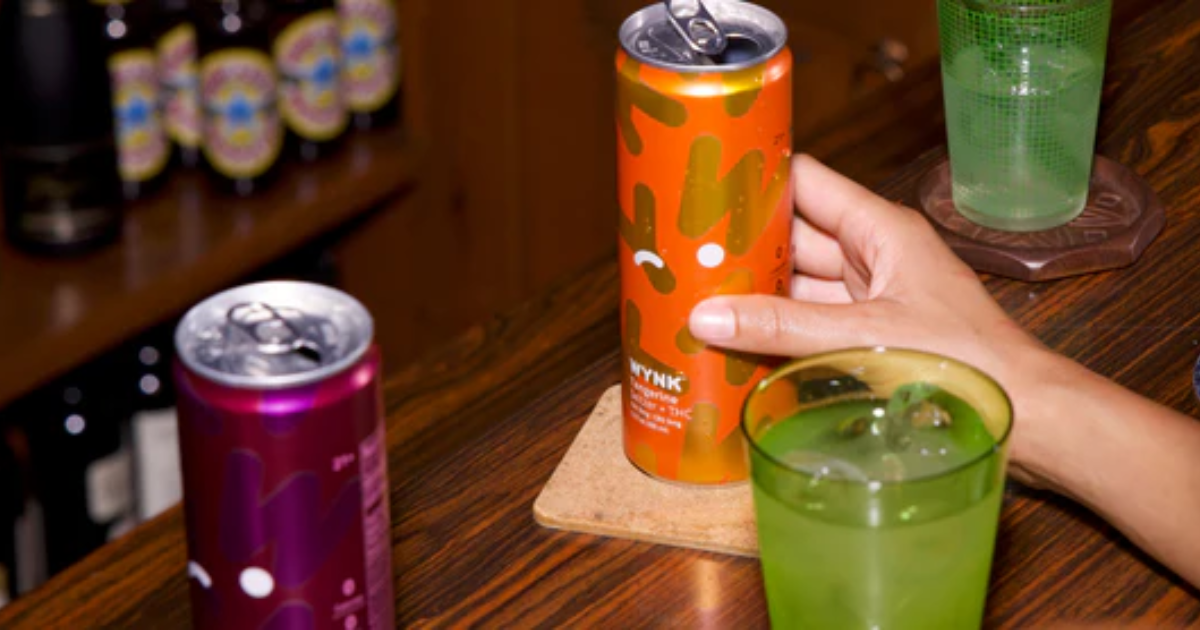
As someone whose husband and his family have been rooted in the New Orleans bar scene for years, I’ve seen firsthand how this city embraces change—sometimes willingly, and sometimes because it has to. On Bourbon Street and Frenchmen Street, bars have thrived despite recessions, hurricanes, and political shifts. My husband always says alcohol is recession-proof. Yet, after being alcohol-free for over a year and deeply involved in the alternative beverage sector, I’ve realized the tides are turning. We’re on the brink of a seismic shift in how people enjoy nightlife. Hemp-based drinks have started to make their mark, and New Orleans is primed for a future where cannabis-infused beverages are just as common as cocktails.
When I first pushed my husband to apply for hemp licenses at our bars, he didn’t see the urgency. For him and his family, alcohol has always been a backbone of their business. But I knew better. Consumer preferences are evolving. What’s happening now, particularly in the tourist-heavy areas of New Orleans, is a silent but powerful revolution. Tourists still come to party, but they also seek out alternatives—like hemp-based drinks—that weren’t even a consideration one decade ago. Bars without hemp licenses risk being left behind, not just in the short term, but as trends change over the next 10 to 20 years.
Legislation: a missed opportunity for small businesses
Recent legislative changes made it even more apparent how crucial it is for bars and restaurants to adapt. When the state passed laws allowing existing hemp licenses to be grandfathered in, those who hadn’t secured one by the deadline were permanently shut out. The law’s vague wording left many small businesses scrambling, and ultimately denied them the opportunity to diversify their revenue streams. This wasn’t about protecting children, as lawmakers claimed. It was a money grab—a clear sign that the state’s priorities lie in maintaining the status quo for big alcohol and corporate interests, rather than helping small businesses survive.
Alcohol vs. cannabis: the truth we’re not being told
We need to start addressing the real problem: alcohol education. In 2022, alcohol-related deaths outpaced all drug-related deaths combined. Yet, the focus of legislation remains on banning federally legal cannabis beverages under the guise of protecting children. There’s no mention of alcohol’s impact on public health: the roughly 178,000 deaths it causes each year, or the increasing rates of alcohol abuse among teenagers. Meanwhile, cannabis and hemp beverages offer a safer, healthier alternative, but they’re being vilified for the sake of keeping alcohol at the top of the industry.
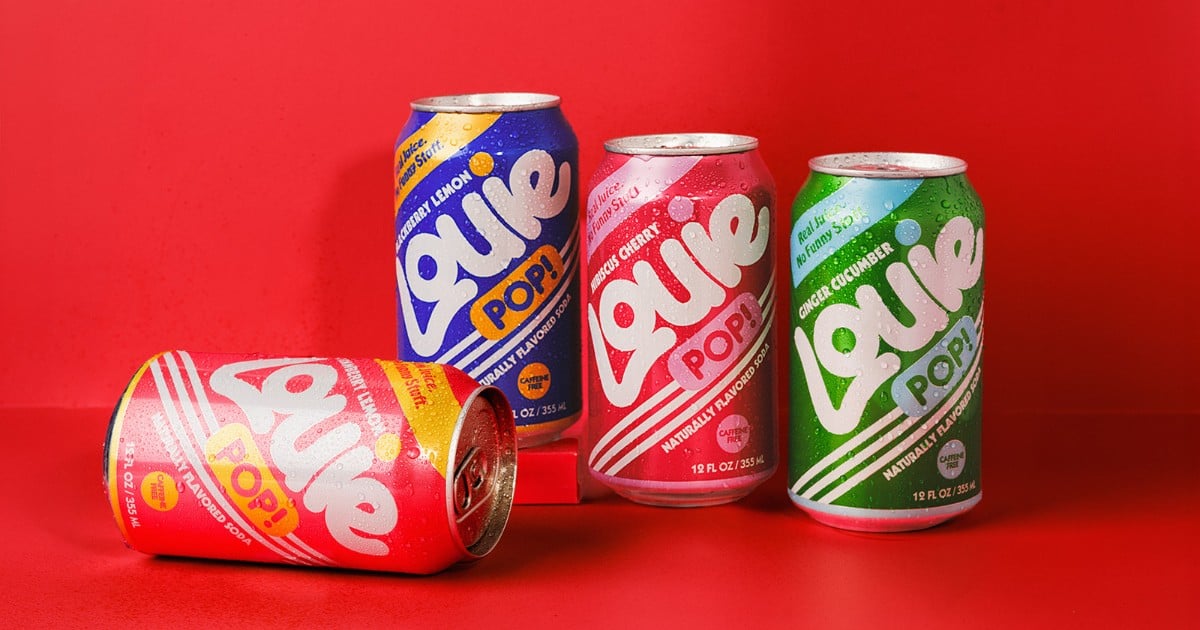
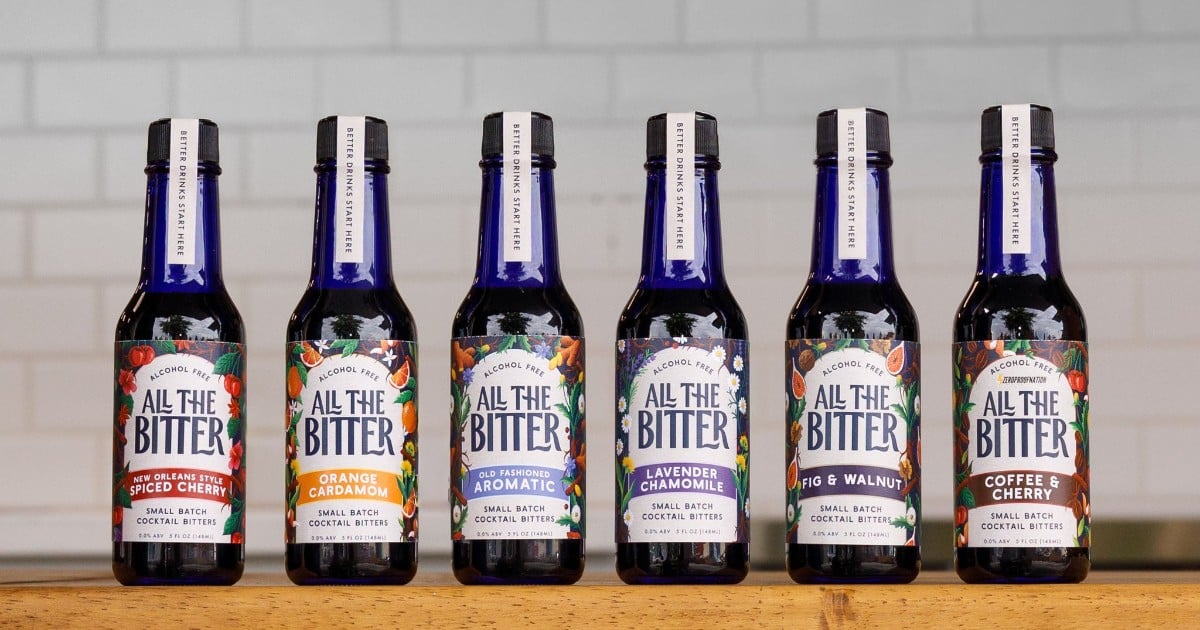
The alcohol industry is feeling the pressure, and they should. Diageo, one of the largest alcohol companies in the world, reported its first sales decline since the pandemic. Alternative beverages are cutting into their profits, and instead of embracing competition, they’re lobbying to limit our choices. They’re throwing everything at this, trying to stifle what will become the next billion-dollar industry.
Why cannabis beverages deserve equal space
There’s no reason cannabis beverages shouldn’t be as accessible as alcohol. Bars already implement age-gating, and many restaurants and convenience stores do as well. If we trust these establishments to responsibly serve alcohol, why not extend that same trust to cannabis beverages? The narrative that these drinks pose a greater risk to children is simply a distraction from the larger issue: the alcohol industry’s fear of losing market share.
Looking ahead: the future of bars in New Orleans
I believe that the next 10-15 years will see alcohol’s dominance decline even further. The younger generations are drinking less, and they’re looking for alternatives that align with their values—health, wellness, and sustainability. Cannabis beverages fit perfectly into that narrative. The bars that adapt now, securing their place in this emerging market, will thrive. Those that don’t will find themselves playing catch-up in a rapidly evolving industry.
New Orleans is known for its resilience and its ability to embrace change. As the laws shift and consumer preferences evolve, the city’s bar scene has the opportunity to lead this change. We can offer tourists and locals alike a new kind of nightlife—one that embraces both tradition and innovation.
About the author
Monica Olano is Co-Founder and CEO of Cali Sober Mom, a cannabis content platform, and advocates for cannabis reform in her home state of Louisiana and beyond. For more of Monica’s insights, you can follow her on Instagram and LinkedIn.