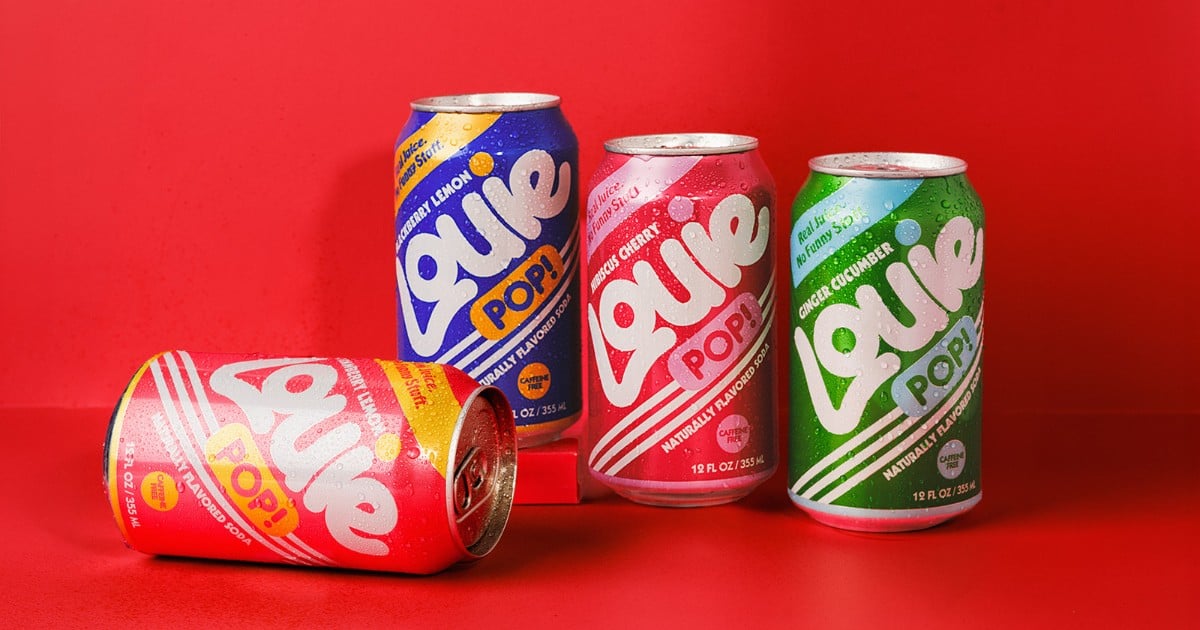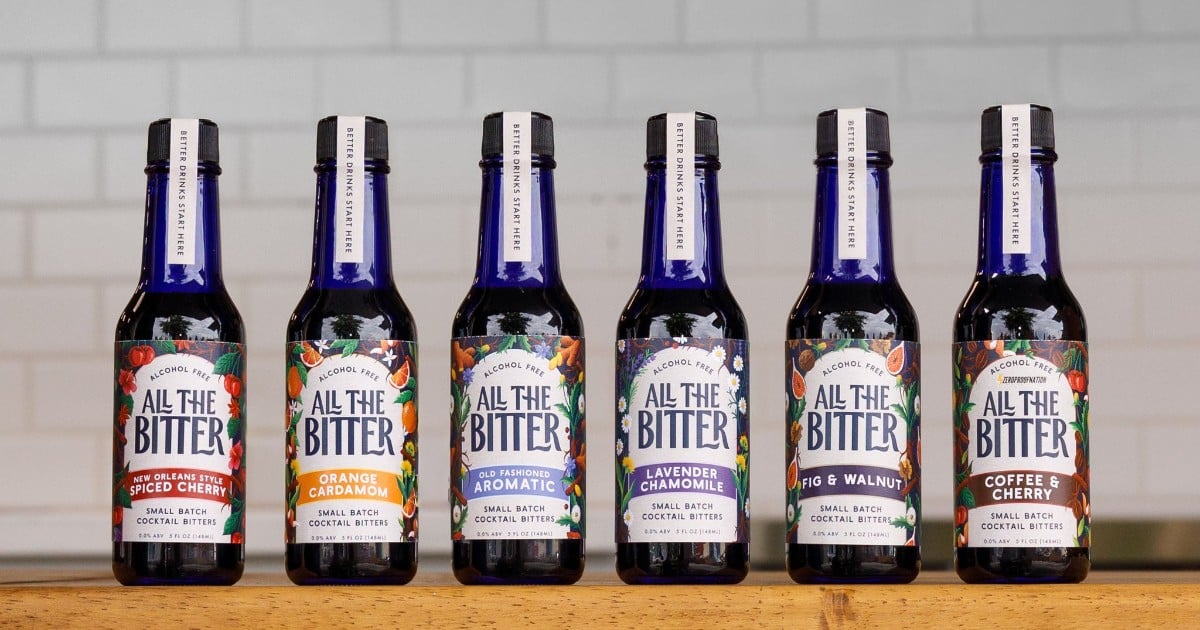
In the modern era, we’ve witnessed the rise of a plethora of new concepts, industries, and even nation states that stand testament to the power of parallel innovation. Rather than attempt to overhaul what already exists, these entities look to construct something unique and purposeful alongside the incumbents. Two intriguing examples of this paradigm are the emergence of the adult non-alcoholic beverage industry and the founding of the world’s newest country, the Free Republic of Liberland, which I recently visited. At first glance, these might seem worlds apart, but delve a little deeper and you begin to see how their underlying philosophies converge.
The allure of parallel creation
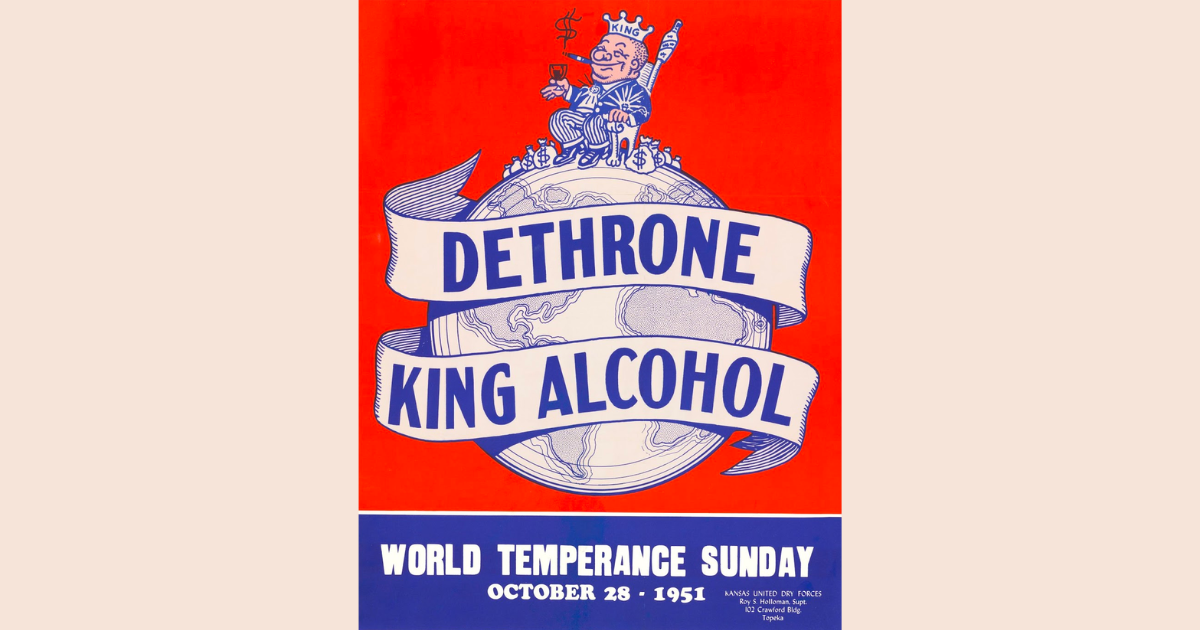
Historically, revolutions and reforms have typically aimed to overturn or transform established systems from within. Whether it was political uprisings against monarchies or temperance movements, the focus was predominantly on displacement. Today, however, there’s an evolving narrative. Entities like Liberland and the adult non-alc industry seek not to replace, but rather to provide new alternatives. They are the champions of coexistence.
Liberland: a New country on the horizon
Liberland, a self-proclaimed micro-nation nestled between Croatia and Serbia, wasn’t founded on the ruins of a former state but rather on a small piece of unclaimed territory. Its founder, Vít Jedlička, did not aim to overthrow or even change any existing government. Instead, in 2015, he sought to establish a country with values of peaceful voluntaryism and minimal government interference. This pioneering approach parallels the very essence of the non-alc beverage industry—it’s not about negating what exists. It’s about offering a different option.
Non-Alc: Quenching a Different Thirst
The non-alc industry has risen to cater to those who, for a myriad of reasons, want to minimize or opt out of alcohol without sacrificing the experience of a finely crafted beverage. Unlike temperance movements of the past, the pioneers of our industry didn’t set out with the intention of dethroning traditional spirits, wines, and beers. Instead, they recognized a niche, an opportunity to stand beside and offer an alternative for those who wanted one. Admittedly, the philosophies of Liberland and the marketing of non-alc brands alike might both imply superiority to incumbents, but their explicit focus is usually not focused on criticizing or condemning.
Shared philosophy: coexistence over conquest
Both Liberland and the non-alc industry embody a refreshing approach to life and business: the belief that one doesn’t need to dominate or erase to thrive.
The world is vast, with ample room for diverse new philosophies, products, and even nations. As we progress further into the 21st century, let entities like Liberland and the non-alc industry serve as reminders that creation doesn’t always have to mean destruction. Innovation can thrive without overturning the status quo.
In conclusion
What I love about today’s non-alc movement is its focus on inclusivity and optionality. You can clink your non-alc wine glass with a wine connoisseur in celebration. Or you can join happy hour and feel included, even if you don’t want to drink that night. Whether you’re taking one night, one month, or your entire life off of booze, there will be sophisticated options for you standing alongside traditional ones. That’s a wonderful world to live in. The future will be created by those who focus on building new alternatives.