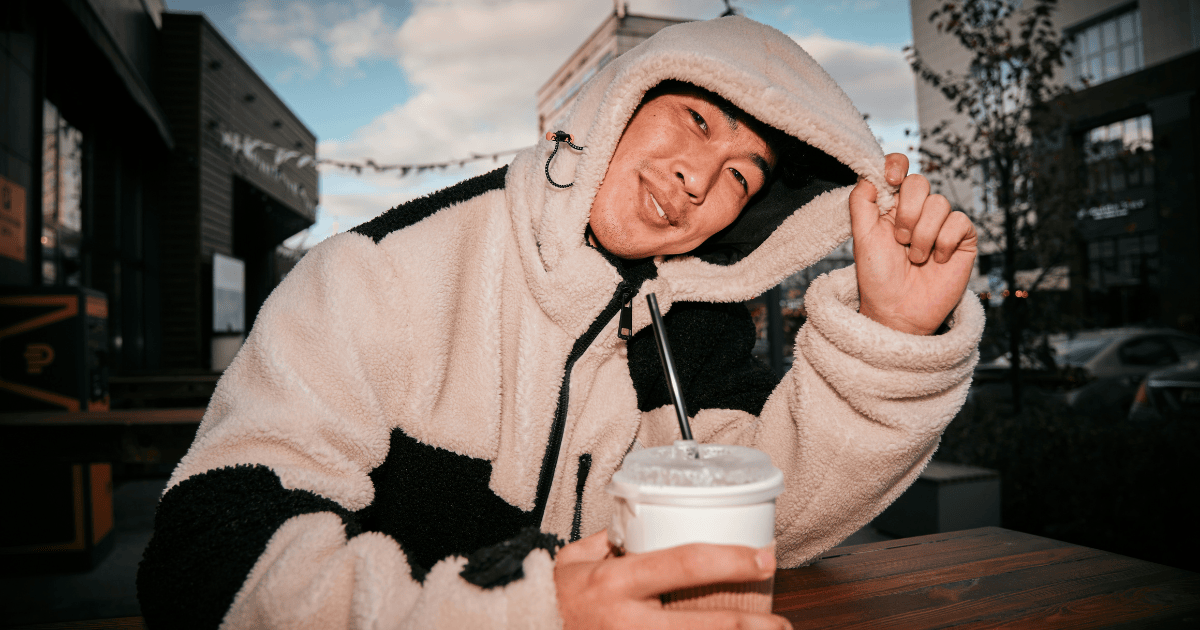
At the end of the day, everyone reaches for a pick-me-up of some variety. What’s your go-to? A Diet Coke? A fancy croissant? A $7 adaptogenic soda with a whimsical label? For many Gen Zers and Millennials, this moment marks a familiar ritual: the daily “little treat.”
Welcome to treat culture, a microeconomic and emotional phenomenon fueled by burnout, instability, and the dopamine hit of an indulgence that feels just small enough to justify.
But there’s more to this concept than a viral TikTok sound or a cheeky iced latte. Treat culture is no longer just a trend but a fundamental reflection of how Gen Z likes to spend their money. And the non-alcoholic beverage category is uniquely positioned to capitalize on it.
From lipstick index to little treat logic
Treat culture echoes the logic behind the “lipstick index,” a term coined by Estée Lauder chairman Leonard Lauder to explain why sales of small luxuries rise during recessions. In a time when homeownership feels out of reach and even a night out is a luxury many can’t justify, smaller splurges become stand-ins for bigger wins.
According to a 2025 NCSolutions study, 73% of Americans say little treats are important to their quality of life, and 62% consider them part of their self-care routine. Among Gen Z, one in five report indulging in a treat daily, and nearly half feel they must “earn” those treats: after surviving a tough day, completing a chore, or just enduring the chaos of modern adulthood.
The most common treats? Sweet snacks like ice cream and chocolate, and beverages like soft drinks, milkshakes, and coffee drinks.
The treatification of beverage culture
Interestingly, alcohol is largely absent from the visual and emotional language of treat culture. While the Fortune article that helped popularize the term included shout-outs to Diet Coke and skincare, it didn’t mention booze once.
That may not be accidental. As a cultural force, treat culture walks a delicate tightrope. Indulgent, yes, but also restorative. Alcohol, with its baggage of overconsumption and next-day regret, doesn’t fit neatly into that framework. This is especially true when you consider that nearly 30% of Gen Z has gone into debt because of alcohol-related spending.
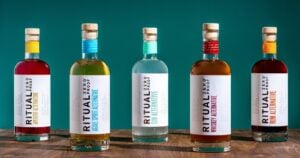
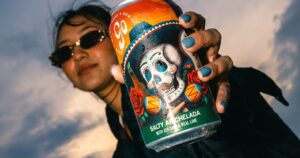
Enter the alcohol alternative. Today’s single-serve mocktails, adaptogenic spritzes, and functional sodas have evolved beyond mere substitutes. They’re becoming treats in their own right—thoughtfully formulated, visually aesthetic, and emotionally gratifying. Buzzy like Kin and Ghia aren’t just offering a “sober” option. They’re giving consumers an elevated experience that’s both low-stakes and high-reward.
Treat culture and mindful drinking: how they connect
The overlap between treat culture and mindful drinking is actually psychological. As financial therapist Lindsay Bryan-Podvin told Self magazine, younger generations aren’t motivated by grit or self-denial; they’re driven by the promise of reward.
In this context, mindful drinking isn’t framed as a restriction, it’s reframed as a luxury. A non-alcoholic beverage becomes a signifier of taste, health, and intentionality.
“I think we can be very intentional and mindful about the idea of celebrating without necessarily tying that to consuming a product,” advised financial planner Jorge Ruiz-Menjivar in an NPR segment. But, he also admits, it’s better to do so with small purchases instead of grandiose ones.
And that’s exactly where the new class of non-alc beverages shines: somewhere between the free walk in the park and the regrettable $60 bar tab.
The price perception paradox
Still, skeptics might argue that $6 non-alcoholic drinks are “expensive for what they do.” And they wouldn’t be entirely wrong. But that’s also the point. In the era of treat culture, indulgence is no longer about utility. It’s about experience and feeling momentarily in control.
According to NCSolutions data, Americans spend a median of $5 per treat, and allocate around $360 annually to these small indulgences. Many even maintain dedicated “little treat” budgets. When that’s the case, a $5 canned mocktail doesn’t feel overpriced at all.
The social media effect
This rebrand of sobriety wouldn’t be possible without TikTok and Instagram, where “treat content” reigns supreme. More than half of Gen Z say they’ve purchased a little treat because of influencer endorsement.
Brands are responding in kind, creating packaging, flavor profiles, and campaign aesthetics that turn beverages into lifestyle props. As Britt Frank, LSCSW, told Self, “My little treat doesn’t fix anything, but it does give the illusion that I’m in control.” And in today’s landscape, illusion can be just as valuable as reality.
What this means for Non-alc brands
Mindful drinking has always been about redefining the role of alcohol in our lives. But now, it’s also about redefining the role of indulgence.
As treat culture becomes embedded in the emotional and financial calculus of everyday life, non-alc beverages are uniquely positioned to fill a void: the desire for pleasure without consequence. They’re small, accessible, psychologically gratifying, and aesthetic enough to be proudly displayed on social media feeds. They meet consumers where they are, not just physically (at the grocery store or corner bodega), but emotionally: craving that mix between control and reward.
The rise of treat culture isn’t just a trend. It’s a shifting cultural value system. And for non-alc brands, that’s an invitation to position themselves as the small luxuries that make a long day a little easier to bear.